Blog

Cooking is the Leading Cause of Nonresidential Building Fires

December 12, 2013

Exhaust system cleaning from Flue Steam can help reduce the risk of a kitchen fire
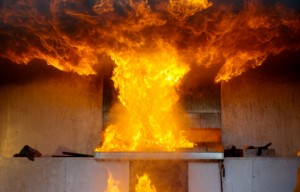
flue steamAccording to the latest available data from the National Fire Incident Reporting System, cooking is the leading cause of all nonresidential building fires, as well as the leading cause of restaurant fires specifically. Commercial kitchen fires cause over $172 million in property damage and injure roughly 75 people per year. Fortunately, 91 percent of kitchen fires are small, confined fires that do not cause extensive damage to the restaurant building. In large part this is because most restaurant owners work very hard to reduce their risk of fire and to ensure that any fires that do start in the kitchen get extinguished promptly. Here are 3 things that the kitchen air control and fire suppression specialists from Flue Steam can do to help you reduce the risk of fire in your commercial kitchen.

Hood All Cooking Appliances

In non-confined restaurant building fires, the source of the fire can often be traced back to a grease fire in the kitchen. Sometimes the specific appliance can even be pinpointed. Data indicates that 9 percent of these non-confined fires are caused by deep fryers, 7 percent by ranges, and 5 percent by other miscellaneous cooking equipment. It is very important that you ensure your cooking appliances are equipped with exhaust hoods that can effectively vent all greasy cooking vapors away from the appliance and out of the building.

Get Kitchen Exhaust System Cleaning

Even with properly sized and positioned exhaust hoods, some greasy residue is bound to adhere to kitchen surfaces, specifically the underside of the exhaust hood and the interior of the kitchen exhaust system. The pros at Flue Steam can help you keep these grease deposits within the limits deemed safe by local fire codes through a combination of hand scraping and steam cleaning techniques.

Maintain Your Automatic Fire Suppression System

Another important aspect of commercial kitchen fire prevention is having an automatic fire suppression system. When functioning properly, this system can extinguish fires that occur on the cooktop or in the exhaust hood before they can spread into the ductwork. It is necessary to have your automatic fire suppression system inspected regularly, especially after a discharge of the system. The automatic system should also be supplemented by portable fire extinguishers that are kept within easy reach of kitchen employees. Flue Steam can provide and/or service both portable fire extinguishers and automatic fire suppression systems.
Fundamentals of Kitchen Ventilation

November 27, 2013

Proper ventilation is needed to keep kitchens safe and comfortable

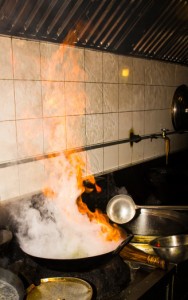
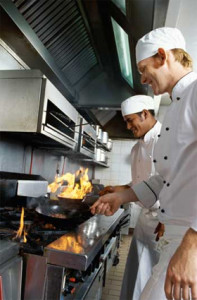
Fundamentals of Kitchen VentilationAt its most basic, a kitchen ventilation system works by drawing hot, greasy air out of the kitchen and replacing it with fresh air. Without diving into the technical specs, here are some of the main points of kitchen ventilation that you may need to keep in mind in order to ensure the safety and comfort of your kitchen environment.
Know Your Exhaust Loads

Cooking appliances fall into four categories: light-, medium-, heavy-, and extra heavy-duty. It all depends on the strength of the thermal plume rising from the appliance when it is in use and the amount of grease and smoke that is likely to be in that plume. In order to ensure adequate ventilation, you need to know what kind of exhaust load your kitchen will be generating.

Maximize Hood Capture

Ideally, you want all of the hot, greasy air that forms the thermal plume to be whisked away by the kitchen exhaust system. A lot of this happens naturally as the hot air rises and the suction from the exhaust fan provides the little extra impetus needed to direct it into the exhaust hood. But you still need to ensure that you are utilizing strategies to maximize your hood capture. These strategies include choosing the correct type, size, and height of exhaust hood for various types and placements of kitchen appliances and installing side panels to block cross drafts that would push plumes out of alignment with the hood. In this way, you can ensure that greasy air is directed away from kitchen surfaces where it could become a fire hazard and into the ductwork where it can be contained and cleaned up later.

Replace Exhaust with Fresh Air

All of the air that exits the kitchen through the exhaust system must be replaced with fresh air. This could come from other parts of the building or from a swamp cooler. It is vital that the amount of replacement air generated keeps pace with the amount of air exiting through the exhaust system, or the exhaust system will lose its ability to effectively remove greasy air.

Get Regular Exhaust System Cleanings

Regular kitchen exhaust hood cleanings and duct cleanings are vital for the proper maintenance of your kitchen ventilation system. Without cleanings, vaporized grease can accumulate on the inside of your exhaust hood and ductwork. Should this grease suddenly ignite, it could cause a devastating fire leading to costly property damage and downtime at your kitchen. Flue Steam offers both hand-scraping and steam-cleaning for exhaust hoods and duct systems to keep your commercial kitchen safe and code-compliant.

Is Your Swamp Cooler Properly Sized?

November 27, 2013

A properly sized swamp cooler is vital for safe and effective kitchen ventilation

photo4-197x300Kitchen ventilation is all about balance. Hot, greasy air leaving the kitchen through the exhaust hood must be replaced by an equal volume of cool, fresh air in order to keep your system working properly. If your swamp cooler is undersized or oversized, you may find yourself facing significant problems with your exhaust system that can potentially lead to serious fire hazards. Here is some information to help you make sure your swamp cooler is delivering the necessary level of performance to keep your kitchen safe and comfortable.

Know Your Exhaust Load

Obviously, before you know how much replacement air your swamp cooler needs to provide you need to know how much air is being lost through the exhaust hood. Factors like the type of food being cooked, the kind of appliance being used, and the style and position of the exhaust hood will all impact the exhaust load. It’s best to balance the exhaust load and the exhaust rate as closely as possible to avoid unnecessarily high velocities of air moving through the kitchen.

Signs of an Undersized Swamp Cooler

If your swamp cooler isn’t generating sufficient replacement air, you end up with negative air pressure in the kitchen as all of the air gets sucked out through the exhaust duct. This lack of air flow can cause slamming doors as well as the accumulation of hot, smoky air in the kitchen.

Signs of an Oversized Swamp Cooler

Having your swamp cooler supply too much air can also cause problems in the kitchen. The biggest concern is that it can create air currents that will blow the exhaust plumes out of alignment with the exhaust hoods and interfere with the hoods’ ability to capture hot, greasy air. This will lead to grease accumulation and potential fire hazards in areas not necessarily protected by your automatic fire suppression system.

Don’t Expect Your Swamp Cooler to Supply All the Air

According to a publication from the California Energy Commission, it’s recommended that designers plan for a single source such as a swamp cooler to supply no more than 60 percent of the replacement air for the kitchen. The remaining air can be supplied from a variety of sources, including transfer air (from the dining room), integrated hood plenums, or the building’s HVAC system. Be sure to account for the contributions of these other air sources when calculating the necessary capacity of your swamp cooler.

Get Help from the Pros

By calling the pros at Flue Steam, you can get help maximizing the effectiveness of your swamp cooler. We provide expert swamp cooler maintenance and repair services to help you keep your kitchen safe and comfortable.

Kitchen Grease Fire Destroys Oceanside Taco Shop

October 28, 2013

A recent kitchen exhaust fire reminds restaurant owners of the importance of fire prevention

Kitchen Grease Fire Destroys Oceanside Taco Shop Deiberto’s Mexican restaurant in Oceanside CA was destroyed by a fast-moving kitchen fire on Wednesday, October 9. Investigators have determined that the blaze began on a stovetop and quickly spread to the exhaust hood and then into the kitchen exhaust system.

Although the restaurant sits opposite a fire station and fire crews were on the scene within 90 seconds, the damage was still extensive. This is typical of a kitchen exhaust system fire, which is fed by highly combustible grease caked on the inside of the exhaust hood and ductwork.

According to Battalion Chief Pete Lawrence, two kitchen workers attempted to use a fire extinguisher to put out the blaze, but when the extinguisher malfunctioned they were forced to run out of the building. First responders to the scene encountered heavy black smoke and flames shooting out of the rooftop through the kitchen exhaust fan. The smoke was so bad that traffic had to be diverted from the street in front of the restaurant.

Within 30 minutes, a crew of 38 firefighters were able to extinguish the fire. They remained on site for about four hours dousing hot spots and helping with efforts to salvage items from the building. The total damage caused by this fire is estimated at $350,000.

This incident represents a restaurant owner’s worst nightmare. Fortunately, there are a number of steps that can be taken to help reduce the risk of kitchen exhaust system fires:

Kitchen Exhaust Hood Scraping: Scraping accumulated grease from the kitchen exhaust hood can help prevent stovetop fires from spreading. This service is typically recommended monthly.

Kitchen Exhaust System Cleaning: Grease also needs to be removed from the interior walls of the entire kitchen exhaust system. This is best accomplished using steam cleaning two to four times per year.

Grease Filter Exchange: Grease filters must also be cleaned or replaced periodically to avoid the development of a fire hazard.

Fire Extinguisher Testing: Simply having fire extinguishers on hand isn’t enough. The extinguishers need to be tested and refilled periodically, and employees should be trained in their deployment.

Automatic Fire Suppression System Inspection: Employees may have mere seconds to react to a stovetop fire before it enters the exhaust system. An automatic fire suppression system serves as an important failsafe to help prevent stovetop fires from spreading. These systems need to be inspected regularly and reset after every discharge.

Had Deiberto’s kitchen exhaust hood and ductwork been clean, the fire could probably have been contained on the stovetop and would not have resulted in so much damage and disruption. Restaurant owners would do well to be proactive about kitchen exhaust system cleaning and fire prevention. After all, it’s better to be safe than sorry. Flue Steam can provide all the services you need to reduce the risk of fire in your commercial kitchen.

Flue Steam Attended the 2013 IKECA Convention Technical Seminar

October 25, 2013

Sponsoring employees to attend IKECA events is part of Flue Steam’s commitment to excellence

Flue Steam Attended the 2013 IKECA Convention Technical SeminarIKECA, or the International Kitchen Exhaust Cleaning Association, is a very important organization in our field. Every year, IKECA puts on a convention and technical seminar event where industry professionals can gather to keep abreast of the latest developments in kitchen exhaust cleaning techniques & protocols. As a professional kitchen exhaust cleaning company and IKECA member, Flue Steam was proud to send staff members to the 2013 IKECA seminar in Phoenix AZ.

Why We Attended

IKECA conventions and seminars offer valuable opportunities for everyone involved in kitchen exhaust cleaning to learn more about advances in the industry. Everyone from field technicians to crew supervisors and owner-operators can benefit from the hands on training and educational seminars offered at an IKECA event, and certification exams are available at IKECA events as well. Flue Steam made a point of sending representatives to the IKECA technical seminar in Phoenix AZ this year in order to make sure we are taking advantage of all possible opportunities for continuing education that will help us serve our clients better.

What We Learned

This year’s IKECA technical seminar focused on workplace safety and compliance. The Flue Steam representatives who attended learned about key safety measures that they can take during kitchen exhaust cleaning and how complying with these measures in the field benefits workers and clients alike. We also had a chance to view presentations from companies that manufacture various products related to kitchen exhaust systems. For example, we saw a booth from Ductmate, a company that manufactures observation access doors that can be installed in kitchen exhaust ducts to facilitate thorough cleaning. Our representatives returned from the seminar able to share their new knowledge with the entire company.

Why It Matters

IKECA membership is a mark of pride and professionalism for kitchen exhaust cleaning companies. When clients see that Flue Steam is not only an IKECA member but also an active participant in IKECA training and events, they’ll know for certain that we are truly dedicated to providing the best possible kitchen exhaust cleaning and fire suppression services.