



Kitchen Exhaust Cleaning for Hotels, Hospitals, and Schools: What Institutional Kitchens Need to Know
October 7, 2026
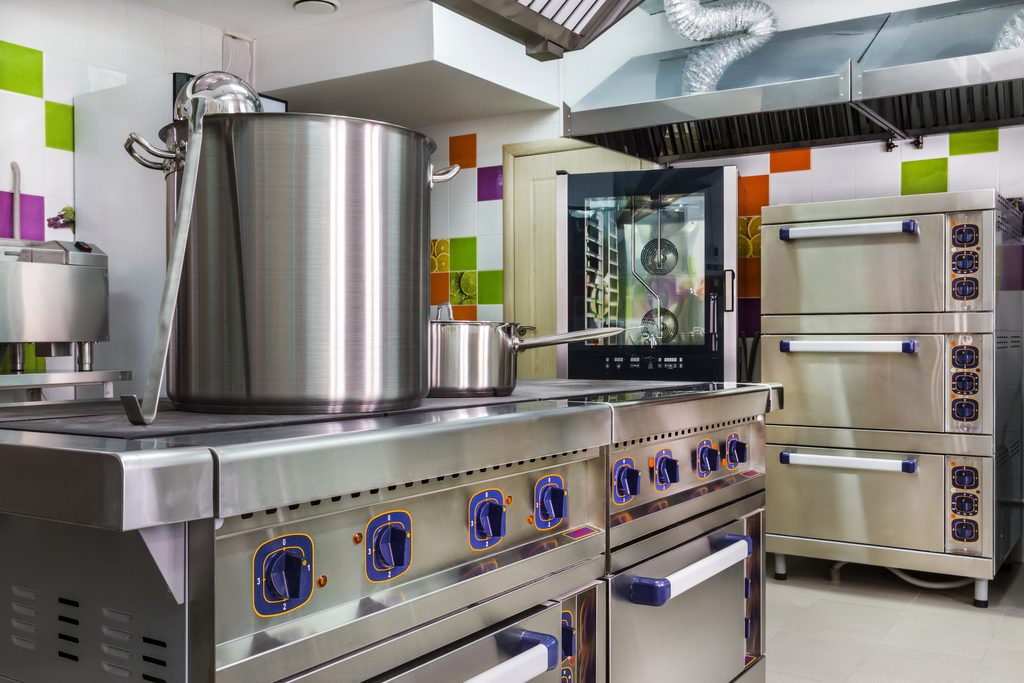
Institutional kitchens in hotels, hospitals, and schools typically need kitchen exhaust cleaning more often than many people expect. Because these kitchens often cook for hundreds of people a day, and some run around the clock, NFPA 96 generally places them in the moderate- to high-volume category, which calls for cleaning every three to six months. At Flue Steam, we work with institutional facilities across Southern California to keep their exhaust systems clean, code-compliant, and ready for continuous use.
How Are Institutional Kitchens Different From Restaurant Kitchens?
A restaurant kitchen usually follows predictable service hours. Institutional kitchens operate on a different scale and schedule:
- Hospitals prepare meals for patients, staff, and visitors, often 24 hours a day, seven days a week.
- Hotels may support a restaurant, room service, banquets, and catering from one or more kitchens.
- Schools cook large batches in short windows, with seasonal breaks that can lead to deferred maintenance.
Each of these settings produces a steady stream of grease vapor. When cleaning falls behind, grease accumulates in the ducts and fan, increasing the risk of a duct fire in a building full of people.
How Often Does an Institutional Kitchen Need Exhaust Cleaning?
NFPA 96 bases cleaning frequency on cooking volume and type:
- High-volume operations, such as 24-hour kitchens or those with heavy grilling and frying, generally require cleaning quarterly.
- Moderate-volume operations generally require cleaning every six months.
- Low-volume operations, such as a kitchen used only for occasional events, may only need annual cleaning.
A hospital kitchen running nonstop will usually fall into the high-volume category. A school cafeteria may fall into the moderate category. The right schedule depends on an inspection of your actual buildup, which is why a professional assessment matters. Learn more about our kitchen exhaust system cleaning.
Can Exhaust Cleaning Be Scheduled Without Disrupting Operations?
Yes. Institutional facilities rarely have the option to shut down for a full day, so scheduling is part of the service. Common approaches include:
- Overnight cleaning for hotels and hospitals with lighter late-night activity
- Weekend or break-period cleaning for schools and universities
- Combined visits that pair exhaust cleaning with swamp cooler maintenance and fan inspections to reduce the number of service calls
Grease filters also need attention between cleanings. In most kitchens, filters should be cleaned or replaced every two weeks. A grease filter exchange program delivers clean filters on a set schedule, so your staff doesn’t have to manage it.
What Other Fire Safety Services Do Institutional Kitchens Need?
A clean exhaust system is only one piece of a complete fire prevention plan. Institutional kitchens should also maintain:
- Automatic fire suppression systems, which require inspection and maintenance every six months. See our automatic fire suppression system service.
- Portable fire extinguishers, properly selected, placed, and serviced to meet code
- Certificate of Performance documentation, which helps facility managers show inspectors and administrators that cleaning requirements have been met
For hospitals, schools, and hotels that also need surface sanitizing, our decontamination services use an EPA-registered, non-flammable product that allows re-entry just 30 minutes after application.
Protect Your Facility With Flue Steam
Institutional kitchens serve the people who rely on your facility every day, and a fire in one of these buildings can affect patients, guests, students, and staff alike. Flue Steam has decades of experience helping hotels, hospitals, schools, and other large facilities across Southern California stay safe and compliant. Call us today at 800-700-FLUE to schedule an inspection and build a cleaning plan that fits your facility’s schedule.





Copyright © 2026 Flue Steam Inc. All Rights Reserved. | Service Locations
Website by 
