Blog

More Than a Cleaning Company: How Integrated Fire Prevention Services Protect Commercial Kitchens

February 19, 2026

Many commercial kitchens think of exhaust cleaning as a single, standalone task—something that needs to be checked off a compliance list every few months. In reality, exhaust cleaning is just one piece of a much larger fire prevention puzzle. Kitchens are safest and most compliant when cleaning, inspections, maintenance, and fire protection systems all work together as a coordinated strategy.

An integrated approach to fire prevention doesn’t just reduce risk—it simplifies operations and provides greater peace of mind for owners and managers.

Fire Risk Doesn’t Exist in Isolation

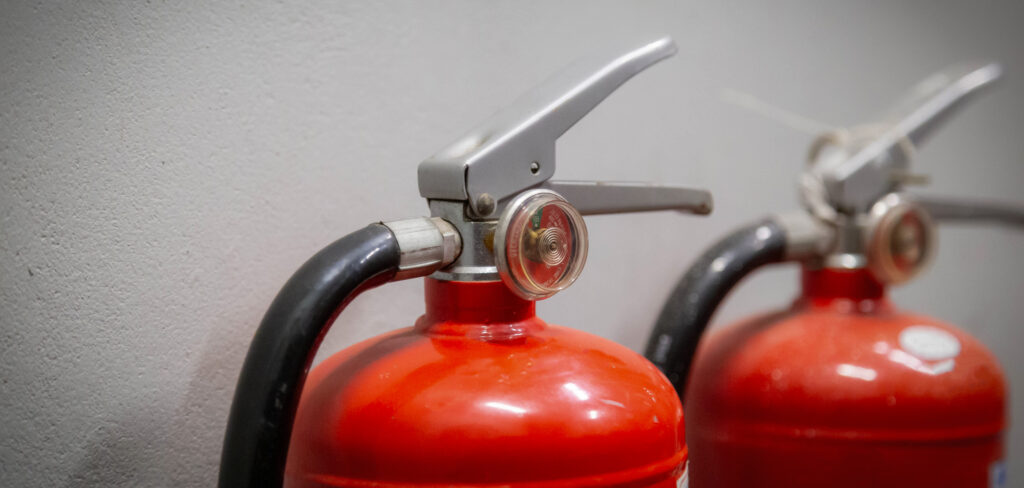
Grease buildup inside hoods, ducts, and exhaust fans is a well-known fire hazard, but it’s rarely the only issue. Fire risk increases when multiple systems are out of sync. Worn fan belts, malfunctioning gas shutoff valves, neglected fire suppression systems, or expired fire extinguishers can all contribute to dangerous conditions.

When these elements are handled by different vendors—or worse, addressed only after a problem occurs—gaps in protection are almost inevitable.

Why Integrated Services Matter

Integrated fire prevention services bring all critical systems under one umbrella. Instead of treating cleaning, mechanical maintenance, and fire safety equipment as separate responsibilities, they’re addressed as interconnected components of a single system.

This approach allows technicians to identify issues that might otherwise be missed, such as how grease buildup affects fan performance or how mechanical wear can compromise fire suppression effectiveness.

Consistency Improves Compliance

Fire and mechanical codes require ongoing compliance, not one-time fixes. Integrated service providers help ensure that cleaning schedules, inspections, and certifications stay aligned with NFPA 96 and California Mechanical Code requirements.

When services are coordinated, documentation is consistent and easier to manage. Certificate stickers, inspection records, and service logs all reflect a comprehensive approach rather than fragmented maintenance.

Fewer Surprises, Fewer Emergencies

One of the biggest advantages of integrated fire prevention is early detection. When technicians regularly service multiple components of the system, they’re more likely to spot worn parts, performance issues, or code concerns before they escalate into emergencies.

This proactive oversight reduces unexpected shutdowns, emergency calls, and last-minute scrambling to pass inspections.

Simplified Vendor Management

Managing multiple vendors for exhaust cleaning, fan repairs, fire suppression service, and extinguishers can be time-consuming and confusing. Integrated services streamline communication and accountability by giving kitchens a single point of contact for critical safety systems.

This not only saves time but also reduces the risk of miscommunication or overlooked responsibilities.

Designed for Real-World Kitchen Operations

Commercial kitchens are busy, high-pressure environments. Fire prevention services must be flexible, reliable, and knowledgeable about how kitchens actually operate. Integrated providers understand scheduling challenges, peak service hours, and the importance of minimizing disruption.

At Flue Steam, integrated fire prevention is about more than checking boxes—it’s about protecting people, property, and livelihoods through coordinated, professional service.

A Smarter Way to Protect Your Kitchen

Fire prevention works best when every system supports the next. Cleaning, mechanical maintenance, and fire protection should function together, not separately.

If you’re ready to move beyond piecemeal services and protect your kitchen with a comprehensive fire prevention strategy, contact Flue Steam at 800-700-FLUE to learn how integrated services can help keep your operation safe, compliant, and running smoothly.

When Kitchen Exhaust Systems Fail After Hours: Why Emergency Service Readiness Matters

February 5, 2026

Commercial kitchens don’t operate on a nine-to-five schedule—and neither do exhaust system failures. When an exhaust fan, motor, or fire safety component fails after hours, the consequences can be immediate and severe. Beyond lost revenue, operating without a functioning exhaust system can create serious fire hazards and put a business out of compliance with fire and health codes.

Emergency service readiness isn’t a convenience. It’s a critical part of responsible kitchen operations.

Why After-Hours Failures Are So Disruptive

Exhaust systems work hardest during peak service. Heat, grease, and continuous operation place constant stress on motors, belts, bearings, and controls. When a component fails late at night or early in the morning, kitchens are often faced with an impossible choice: shut down or operate illegally and unsafely.

Neither option is acceptable. A non-functioning exhaust system allows grease-laden vapors to accumulate, increases fire risk, and creates unsafe working conditions for staff. From a compliance standpoint, continuing operations without ventilation can result in citations, fines, or forced closure.

The Legal and Safety Risks of Operating Without Ventilation

Kitchen exhaust systems are a core fire safety requirement—not an optional comfort feature. Fire codes and mechanical codes require active ventilation to remove heat, smoke, and grease vapors generated during cooking.

Without proper exhaust:

  • Grease buildup accelerates inside ducts and fans
  • Exhaust temperatures rise rapidly
  • Fire suppression systems may be compromised
  • Flash fire risk increases dramatically

If a fire occurs while the system is down, liability exposure can be significant. Emergency readiness helps prevent situations that put lives, property, and businesses at risk.

Emergency Service Is About Speed and Expertise

Not all plumbing or HVAC providers are equipped to handle commercial kitchen exhaust emergencies. These systems are specialized, and repairs must be completed correctly and quickly to restore safe operation.

Emergency service readiness means having trained technicians available to diagnose and repair issues such as:

  • Exhaust fan motor failures
  • Belt, pulley, or bearing breakdowns
  • Swamp cooler malfunctions
  • Automatic fire suppression or gas shutoff issues

Fast response minimizes downtime and helps businesses reopen safely without unnecessary delays.

Downtime Costs More Than You Think

Every hour a kitchen is forced to close—or operate at reduced capacity—costs money. Lost sales, wasted inventory, staff disruption, and reputational damage all add up. Emergency repairs may feel expensive in the moment, but they are often far less costly than prolonged shutdowns or code violations.

Businesses that plan for emergencies recover faster and maintain continuity even when unexpected failures occur.

Preventive Maintenance Reduces Emergency Calls—but Doesn’t Eliminate Them

Regular cleaning and inspections significantly reduce the likelihood of after-hours emergencies, but no system is immune to failure. Components wear out, electrical issues arise, and unexpected breakdowns happen—often at the worst possible time.

The difference is preparation. Kitchens that partner with a provider offering 24/7 emergency service know help is available when it matters most.

Why Emergency Readiness Should Be Part of Your Strategy

Emergency service isn’t just a reaction—it’s part of a broader fire prevention and risk management strategy. Knowing who to call, how quickly they can respond, and whether they understand commercial exhaust systems provides peace of mind for owners and managers.

At Flue Steam, emergency service readiness is built into the commitment to protecting commercial kitchens. With trained technicians available around the clock, businesses aren’t left scrambling when critical systems fail.

If your kitchen relies on uninterrupted exhaust system performance, contact Flue Steam at 800-700-FLUE to learn how emergency service and proactive maintenance work together to keep your operation safe, compliant, and running when it counts.

Why Grease Filter Exchange Services Matter More Than Most Kitchens Realize

January 16, 2026

Grease filters may seem like a small part of a commercial kitchen exhaust system, but their impact is anything but minor. When grease filters are neglected, airflow suffers, grease buildup accelerates, and fire risk increases throughout the entire exhaust system. For many kitchens, a professional grease filter exchange service is one of the most effective—and overlooked—ways to maintain safety and compliance.

The Role Grease Filters Play in Kitchen Safety

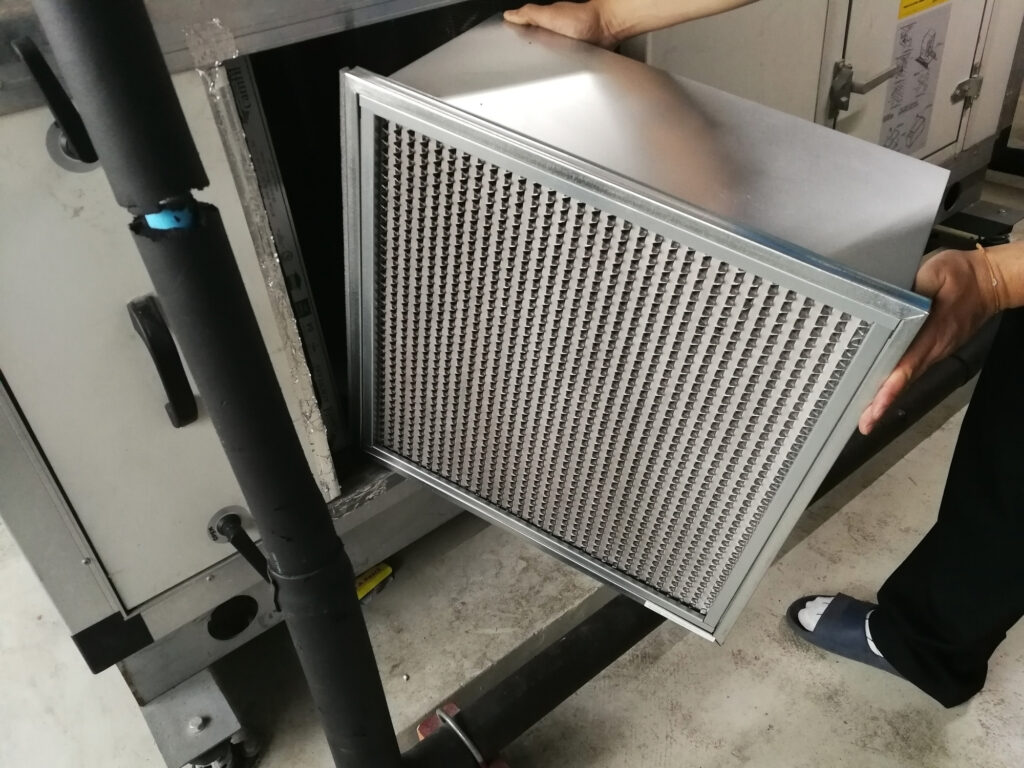
Grease filters are the first line of defense against grease entering the exhaust ductwork. As cooking vapors rise, filters capture grease particles before they can travel deeper into the system.

When filters are clean and properly installed, they significantly reduce the amount of grease that reaches ducts and exhaust fans.

What Happens When Filters Are Overused

Over time, grease filters become saturated. Even with regular washing, filters eventually clog or degrade, reducing their effectiveness.

Common issues caused by overused filters include:

  • Restricted airflow
  • Increased heat retention under the hood
  • Faster grease accumulation in ducts
  • Higher fire risk

Clogged filters force the exhaust system to work harder, which can strain fans and reduce overall performance.

Why Washing Alone Isn’t Always Enough

Many kitchens rely on in-house filter washing, assuming this is sufficient. While routine cleaning helps, it does not restore filters indefinitely.

Grease can harden inside filter channels, and repeated exposure to heat and chemicals weakens the filter structure. Eventually, filters no longer perform as designed—even if they appear clean on the surface.

The Advantage of Grease Filter Exchange Programs

A grease filter exchange service removes worn filters and replaces them with professionally cleaned or new filters on a scheduled basis. This ensures consistent performance without placing extra burden on kitchen staff.

Benefits include:

  • Reliable airflow
  • Reduced fire hazard
  • Less grease entering ductwork
  • Improved kitchen air quality
  • Better inspection readiness

Consistency Matters for Compliance

Health inspectors and fire officials expect grease filters to be clean, properly installed, and functioning. Exchange programs help kitchens maintain consistency, rather than relying on irregular or rushed cleaning routines.

Proper documentation of filter maintenance also supports inspection requirements.

Improved Efficiency Across the Exhaust System

When filters function correctly, the entire exhaust system benefits. Fans operate more efficiently, ducts stay cleaner longer, and full-system cleanings can be scheduled more predictably.

This reduces downtime and helps control long-term maintenance costs.

Why Professional Handling Makes a Difference

Grease filter exchange services ensure filters are handled safely and cleaned using appropriate methods. Improper handling can damage filters or reintroduce contaminants into the kitchen.

At Flue Steam, grease filter exchange services are designed to support overall kitchen safety, airflow, and compliance—without disrupting daily operations.

A Small Step with Big Impact

While grease filters may be easy to overlook, they play a critical role in fire prevention and system performance. Regular filter exchange is one of the simplest ways to reduce risk and protect your kitchen.

If your kitchen relies on overused or inconsistently cleaned filters, call 800-700-FLUE to learn how a professional grease filter exchange service can improve safety and compliance.

Protecting Your Kitchen Starts at the Hood

Grease doesn’t belong in your ductwork—and it doesn’t get there by accident. Clean, functional filters help stop problems before they start.

What Health Inspectors Look for in Commercial Kitchen Exhaust Systems

January 7, 2026

When health inspectors walk into a commercial kitchen, they’re not just checking food storage and prep surfaces. One of the most closely examined—and commonly failed—areas is the kitchen exhaust system. Hoods, ducts, fans, and filters all play a critical role in fire prevention, air quality, and regulatory compliance. Understanding what inspectors look for can help kitchen operators avoid citations, delays, and shutdowns.

Why Exhaust Systems Are a Major Inspection Focus

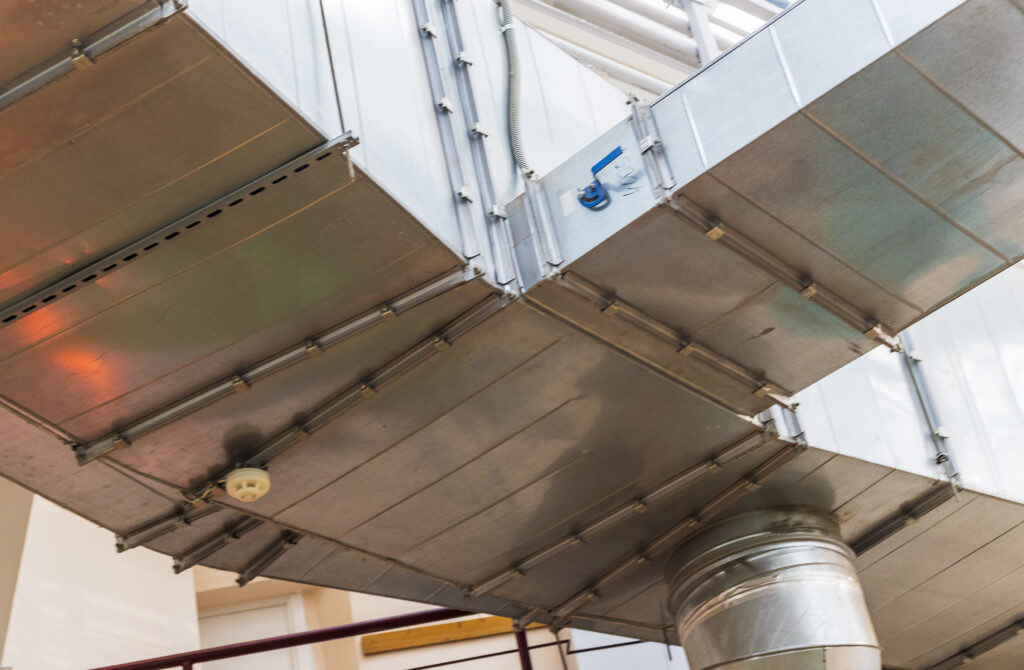
Commercial kitchen exhaust systems remove grease-laden vapors, smoke, and heat from cooking areas. When these systems are not properly maintained, grease accumulates inside ducts and on components, creating a serious fire hazard.

Because of this risk, inspectors treat exhaust systems as safety infrastructure—not optional equipment.

Visible Grease Buildup Is an Immediate Red Flag

One of the first things inspectors look for is visible grease. This includes:

  • Grease residue on hood surfaces
  • Dripping or sticky filters
  • Grease stains around duct access points
  • Build-up on exhaust fans

Visible grease often signals deeper contamination inside the system, which can result in violations or required follow-up inspections.

Filters Must Be Clean and Properly Installed

Grease filters are designed to capture grease before it enters the ductwork. Inspectors check whether filters are:

  • Present and correctly seated
  • Free of excessive buildup
  • Maintained on a regular schedule

Missing, damaged, or heavily clogged filters indicate poor maintenance and increase fire risk.

Full-System Cleaning Records Matter

Inspectors frequently request documentation showing that the exhaust system has been professionally cleaned according to code. This includes cleaning of:

  • Hoods
  • Ducts
  • Exhaust fans

Incomplete records—or records showing infrequent service—can lead to citations even if surfaces appear clean.

Exhaust Fans Must Function Properly

Inspectors also verify that exhaust fans are operational and moving air effectively. Poor airflow can allow grease vapors to linger, increasing buildup and reducing indoor air quality.

Non-functioning or poorly maintained fans may result in compliance issues or require immediate correction.

Fire Suppression Integration Is Evaluated

Exhaust systems must work in conjunction with fire suppression equipment. Inspectors may check whether suppression nozzles are unobstructed and whether grease buildup could interfere with system activation.

A dirty exhaust system can compromise fire suppression effectiveness during an emergency.

Why DIY Cleaning Isn’t Enough

Surface wiping or partial cleaning does not meet inspection standards. Inspectors are trained to recognize signs of incomplete cleaning, especially in hard-to-reach areas like duct interiors and fan housings.

Professional exhaust system cleaning ensures all components meet code requirements—not just what’s visible from the kitchen floor.

How Flue Steam Helps Kitchens Stay Inspection-Ready

At Flue Steam, complete kitchen exhaust system cleaning is performed with compliance in mind. Services are designed to address the full system—hoods, ducts, fans, and filters—so kitchens are prepared before inspectors arrive.

Accurate service documentation is also provided to support inspection requirements.

Preparation Prevents Problems

Health inspections don’t have to be stressful. Understanding what inspectors look for—and maintaining your exhaust system accordingly—helps prevent violations, protects staff and customers, and keeps your kitchen operating without interruption.

If you want to ensure your commercial kitchen exhaust system is inspection-ready, call 800-700-FLUE to schedule professional service and compliance support.

The Real Difference Between Hand Scraping and Steam Cleaning—And Why Both Matter for Kitchen Safety

December 16, 2025

When most commercial kitchen owners think about hood and duct cleaning, they picture a technician arriving, spraying cleaning agents, and walking away. But real, code-compliant exhaust system cleaning involves far more than a quick wipe-down. Fire inspectors, insurance adjusters, and NFPA 96 standards require removal of grease down to bare metal—and that level of detail takes the right cleaning method.

At Flue Steam, we specialize in deep, compliant grease removal using a combined approach: traditional hand scraping plus high-temperature steam cleaning. Each method serves a different purpose, and only when used together can a kitchen exhaust system reach the level of safety necessary to prevent fires and protect your business.

Why Grease Removal Must Be More Than Surface-Level Cleaning

Inside your kitchen’s hoods, ducts, and exhaust system, grease vapor collects every time food hits the grill or fryer. Over time, that residue hardens and forms sticky, flammable buildup. While the surface nearest the hood may look visibly clean, deeper layers of grease often remain hidden along ductwork, fan housings, and hard-to-reach seams.

If a flare-up occurs, these grease layers act as fuel—allowing flames to spread beyond the hood and into your ventilation system. For this reason, fire code does not judge cleanliness by appearance; it requires complete grease removal down to bare metal. That standard is impossible to reach with a single-method cleaning.

What Hand Scraping Accomplishes That Steam Cleaning Alone Cannot

Steam cleaning is powerful, but steam alone will not cut through hardened grease in heavy-volume kitchens. This is where hand scraping becomes critical.

Hand scraping uses specialized tools to manually remove thick layers of grease before steam cleaning begins. Without this step, built-up grease remains trapped beneath the surface—even if the system looks clean from the outside.

Hand scraping is most effective for:

  • High-heat cooklines with fryers and grills
  • Restaurants or cafeterias operating 12 or more hours a day
  • Systems that have not been serviced recently
  • Grease-coated areas where steam cannot reach

Steam may soften grease, but scraping is what physically removes it. This is why NFPA 96 guidelines recognize manual scraping as a required component of certified hood and duct cleaning.

How Steam Cleaning Completes the Process

Once scraping removes the bulk of grease buildup, high-temperature steam cleaning finishes the job. Steam reaches deep into corners, seams, duct curves, and fan blades—areas that tools cannot access. It lifts fine grease particles, sanitizes metal surfaces, and leaves the system clean, safe, and odor-free.

Steam cleaning also supports:

  • Better airflow and air balance
  • Lower HVAC strain
  • Reduced smoke and temperature hotspots in the kitchen
  • Improved inspection results and documentation

Together, hand scraping and steam cleaning form a complete cleaning cycle—one that goes beyond surface appearance and protects your kitchen from inside the duct system outward.

Why This Matters for Fire Code, Insurance, and Inspections

During a fire or inspection event, documentation and compliance become just as important as the cleaning itself. If investigators find grease buildup inside ducts, even after a recent cleaning, insurance companies may deny claims. Health and fire inspectors can also issue citations or order kitchen shutdowns.

A combined scraping-plus-steam cleaning approach ensures:

  • Compliance with NFPA 96 bare-metal standards
  • Valid documentation for insurance and regulatory purposes
  • Reduced risk of kitchen shutdown due to inspection issues
  • Long-term exhaust system performance and lifespan

Flue Steam provides full service reports after every cleaning, giving operators the proof needed for fire code, landlord requirements, and insurance files.

How Often Should Kitchens Schedule Professional Cleaning?

Cleaning frequency depends on cooking volume. High-grease operations may require monthly service, while others may only need quarterly. A professional evaluation from Flue Steam helps determine the right schedule and ensures no portion of your system is overlooked.

Protect Your Kitchen With Proven Deep-Cleaning Methods

Surface-level cleaning may look good—but it will not protect you in an emergency. Only a combination of hand scraping and high-temperature steam cleaning delivers the true bare-metal clean required for safety.

To schedule a full system evaluation or cleaning with Flue Steam, call 800-700-FLUE. Your ventilation system is the frontline defense against commercial kitchen fires—make sure it is maintained with the level of care your business deserves.