



How Regular Kitchen Exhaust Cleaning Can Lower Your Restaurant’s Insurance Costs
September 24, 2026
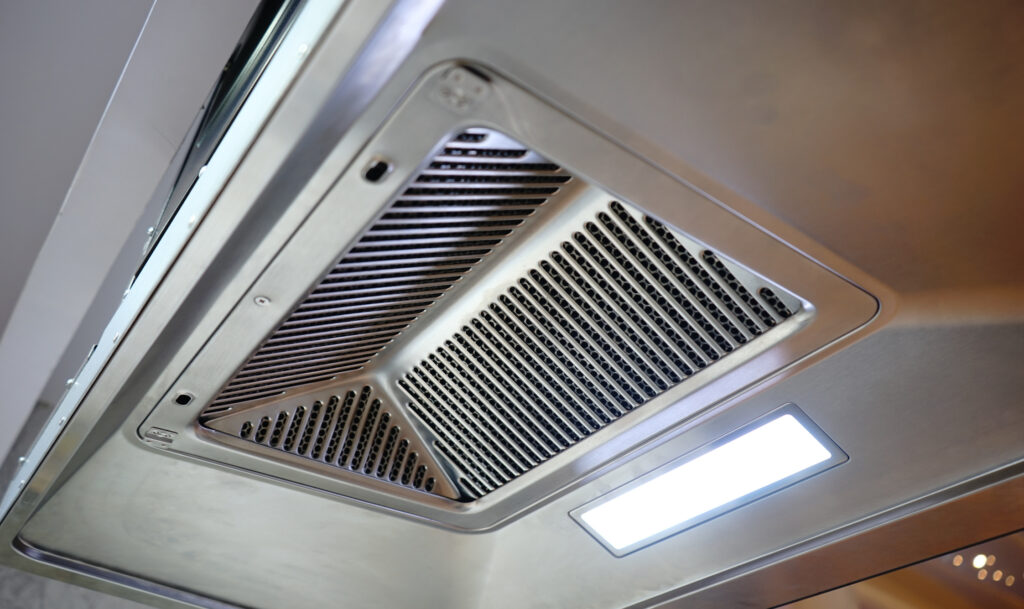
Regular kitchen exhaust cleaning can lower your restaurant’s insurance costs by reducing fire risk and by documenting that you meet code requirements. Insurers see grease buildup as one of the biggest fire hazards in a commercial kitchen. A restaurant that can prove it stays on top of cleaning is a safer bet, and that can help at renewal time. At Flue Steam, we have helped Southern California kitchens protect their operations and their bottom lines for more than 40 years.
Why Do Insurance Companies Care About Kitchen Exhaust Cleaning?
Cooking creates vaporized grease, and some of it settles inside your hood, ducts, and exhaust fan. As it builds up, a flash fire in the ductwork becomes much more likely. A duct fire can spread quickly and cause major property damage, business interruption, and injuries. Insurers price those risks into your policy, so a clean, well-maintained exhaust system works in your favor.
How Can Cleaning Records Help Reduce Your Premiums?
Insurers rely on documentation. Cleaning records can help you in several ways:
- They show your carrier that you follow NFPA 96 requirements for exhaust system maintenance.
- They can support conversations about better rates or discounts at renewal.
- They reduce the chance of a coverage dispute if a fire ever occurs.
- They give underwriters confidence that your kitchen is well managed.
Every Flue Steam cleaning includes a Certificate of Performance sticker. This sticker is proof that the work was completed by licensed technicians, and many restaurant owners share it with their insurance agent as part of their file.
Can Poor Maintenance Affect a Fire Claim?
Yes. If a fire starts in a kitchen exhaust system that has not been cleaned on schedule, an insurer may investigate whether the owner met code and policy requirements. Missing service records can complicate or delay a claim. Staying current on cleaning gives you a paper trail that protects you when it matters most.
How Often Should You Clean to Stay Compliant?
The right schedule depends on how much grease your kitchen produces. Many restaurants combine two methods:
- Hand scraping, which removes grease from accessible areas and is often done monthly.
- Steam cleaning, which uses hot, high-pressure water for a deeper clean and is often added 2 to 4 times per year.
High-volume kitchens that fry or grill heavily may need more frequent service. Your insurer and local fire authority can also have specific requirements, so it is worth checking both.
What Else Helps Lower Your Fire Risk?
Cleaning the hood is only part of the picture. Insurers also look at the overall condition of your fire safety systems. These services work together:
- Grease filter exchange: Clean filters trap 70 to 80 percent of the grease passing through them and keep less of it out of your ducts.
- Exhaust fan inspections: Belts and bearings that are in good shape keep your system drawing properly.
- Automatic fire suppression service: Codes require inspections every six months.
- Portable fire extinguisher service: Licensed servicing keeps your equipment ready and compliant.
Bundling these services with your cleaning schedule keeps your records organized and your kitchen protected.
Is Exhaust Cleaning Worth the Investment?
A single kitchen fire can mean repair bills, lost revenue, and a long closure. Regular cleaning costs far less than any of those outcomes, and it may also help your insurance costs over time. Results vary by carrier and policy, so ask your agent which documentation they value most.
Protect Your Restaurant and Your Budget
Keeping your exhaust system clean is one of the smartest steps you can take for safety, code compliance, and financial protection. To schedule service or request a free quote, call 800-700-FLUE and let Flue Steam build a cleaning schedule that fits your kitchen.





Copyright © 2026 Flue Steam Inc. All Rights Reserved. | Service Locations
Website by 
