Blog

Class K Fire Extinguishers: Why Standard Extinguishers Aren’t Enough for a Commercial Kitchen

July 24, 2026

Not all fire extinguishers are created equal, and in a commercial kitchen, using the wrong one can make a dangerous situation worse. Most people are familiar with the red ABC extinguishers found in offices, warehouses, and retail spaces. While those units handle a broad range of common fires, they are not designed for the kind of fires that break out in commercial cooking environments. If your kitchen isn’t equipped with Class K extinguishers, you may be both out of compliance and underprepared.

What Makes Kitchen Fires Different

Commercial cooking fires typically involve high-temperature cooking oils and animal fats heated well beyond their smoke points. These substances behave very differently from ordinary combustibles. They burn hotter, they re-ignite more easily, and they require a specific type of suppression agent to be brought under control safely and completely.

A standard ABC dry chemical extinguisher is not formulated to handle this type of fire. In some cases, the force of the discharge can actually scatter burning oil and spread the fire rather than contain it. Even when an ABC unit appears to knock a cooking fire down, it may not eliminate enough heat to prevent re-ignition — leaving your kitchen crew in a dangerous and unpredictable situation.

How Class K Extinguishers Work

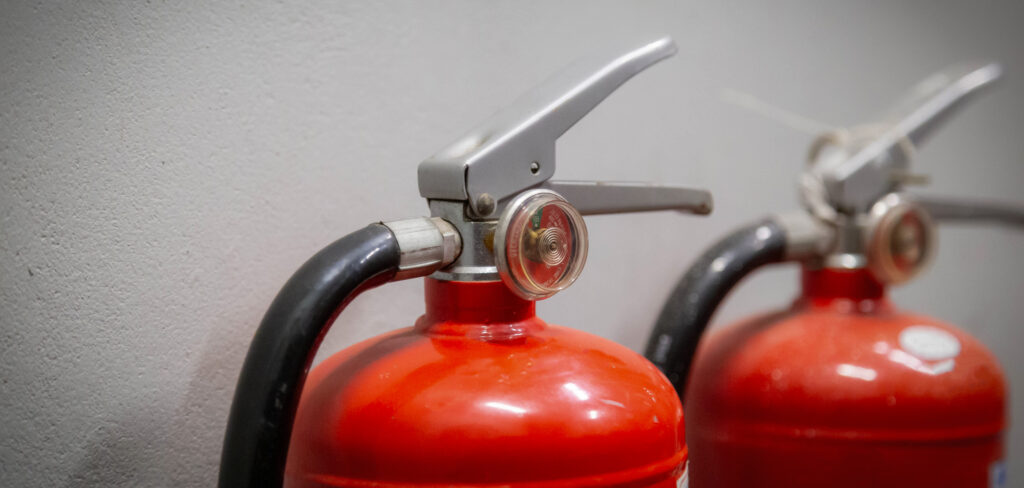
Class K extinguishers use a wet chemical agent, typically a potassium-based solution, that works in two ways. First, it reacts with the hot cooking oil through a process called saponification, converting the surface of the burning fat into a soapy, non-combustible foam that cuts off the fire’s oxygen supply. Second, the fine mist of wet chemical cools the oil rapidly, reducing the risk of re-ignition even after the flames appear to be out.

This dual action makes Class K extinguishers far more effective against cooking fires than any general-purpose unit.

What the Code Requires

NFPA 10, the Standard for Portable Fire Extinguishers, requires Class K extinguishers to be installed in commercial kitchens where cooking involves vegetable or animal oils and fats. The code also specifies placement requirements, including maximum travel distance from the cooking equipment to the extinguisher.

It’s worth noting that Class K extinguishers are intended to be used after an automatic fire suppression system has already discharged. The suppression system handles the initial response; the portable extinguisher provides a backup measure for any remaining fire activity. Both are required, and both need to be properly maintained.

What Flue Steam Can Help You With

At Flue Steam, we sell and service portable fire extinguishers for commercial kitchens throughout Southern California, including Class K units. Our licensed technicians can help you identify the right extinguisher types for your kitchen, determine how many you need, and make sure placement meets current fire code requirements.

We also handle the required inspections and service intervals to keep your extinguishers in compliant, working condition. Fire extinguishers are only useful in an emergency if they’ve been properly maintained — and that maintenance needs to be performed by a licensed technician to count toward your code compliance.

Make Sure Your Kitchen Is Fully Protected

If you’re not sure whether your kitchen has the right extinguishers or whether they’ve been properly serviced, Flue Steam can help. Call us at 800-700-FLUE to speak with a member of our team and schedule a service visit. Protecting your kitchen, your staff, and your customers starts with having the right tools in place — and knowing they’ll work when it counts.

Why Duct Access Panels Are the Key to a Truly Complete Exhaust System Cleaning

July 10, 2026

When a kitchen exhaust cleaning company shows up and wipes down your hood, that’s a start — but it’s far from a complete cleaning. A commercial kitchen exhaust system runs well beyond what’s visible from the cooking line. Grease-laden air travels through a network of ducts that can span the length of your building before reaching the rooftop exhaust fan. Without the right entry points into that ductwork, no technician — no matter how skilled — can do a truly thorough job. That’s where duct access panels come in.

What Are Duct Access Panels?

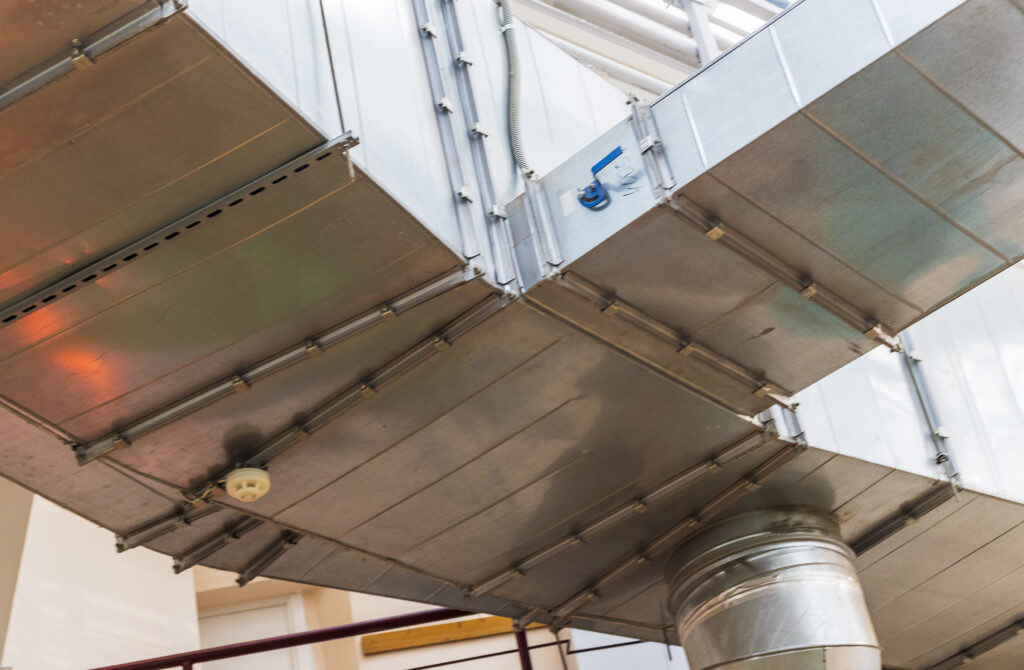
Duct access panels are openings installed at strategic points along your exhaust ductwork. They allow technicians to physically enter and clean sections of the duct that would otherwise be unreachable. Think of them as inspection hatches: they give your cleaning crew a way inside so grease doesn’t get to accumulate undetected in the dark stretches between your hood and your rooftop fan.

Without adequate access panels, large sections of your ductwork may go untouched during every service visit. Over time, grease builds up in those blind spots until it becomes a serious fire hazard — one that routine cleaning visits have no way of addressing.

What the Code Actually Requires

NFPA 96, the Standard for Ventilation Control and Fire Protection of Commercial Cooking Operations, establishes clear requirements for duct access. Panels are required at changes in direction, at certain intervals along straight runs, and wherever access is necessary to perform proper cleaning. If your ductwork doesn’t have the access panels required by code, your system cannot be fully cleaned — and your Certificate of Performance may reflect that limitation.

Code inspectors look for this. So does your insurance carrier. Gaps in cleaning coverage can translate directly into financial exposure if a fire occurs.

Why Some Kitchens Don’t Have Enough Access Points

Access panels are sometimes overlooked during the original installation of an exhaust system, particularly in older buildings or kitchens that were retrofitted rather than purpose-built. In other cases, panels exist but are positioned in spots that don’t give technicians enough reach to clean effectively.

The result is the same either way: sections of ductwork coated with grease that go untouched during routine cleaning visits. This is one of the most common reasons kitchens that receive regular exhaust service still carry elevated fire risk in their ductwork.

What Flue Steam Does About It

At Flue Steam, our licensed technicians don’t just clean what’s easy to reach. We assess your entire exhaust system and identify gaps in access coverage. When your ductwork is missing code-required access panels, we can install them — so that your next cleaning, and every one after it, can be as comprehensive as possible.

This is part of what separates Flue Steam from companies that focus mainly on hood surfaces and leave the rest of the duct system untouched. We work to reach every inch of your exhaust system, from the hood to the fan, because that’s the only way to genuinely reduce your fire risk and keep your kitchen fully compliant.

Schedule a Complete Exhaust System Cleaning

If your kitchen has never had its ductwork assessed for access panel coverage, now is a good time to start. Call Flue Steam at 800-700-FLUE to schedule a cleaning and system evaluation. With more than 50 years serving commercial kitchens throughout Southern California, we’re ready to help your operation stay clean, compliant, and safe.

The Hidden Risks of Neglecting Your Commercial Kitchen Exhaust Fan

June 19, 2026

When it comes to commercial kitchen safety, most operators think about grease filters, hood cleaning, and fire suppression systems. The exhaust fan, however, tends to fly under the radar — even though it plays a central role in keeping your entire ventilation system functioning the way it should. Neglecting this critical component can quietly create conditions that put your kitchen, your staff, and your business at risk.

At Flue Steam, exhaust fan inspection and maintenance is built into every regularly scheduled cleaning visit. Here’s why that matters more than most kitchen operators realize.

What Your Exhaust Fan Actually Does

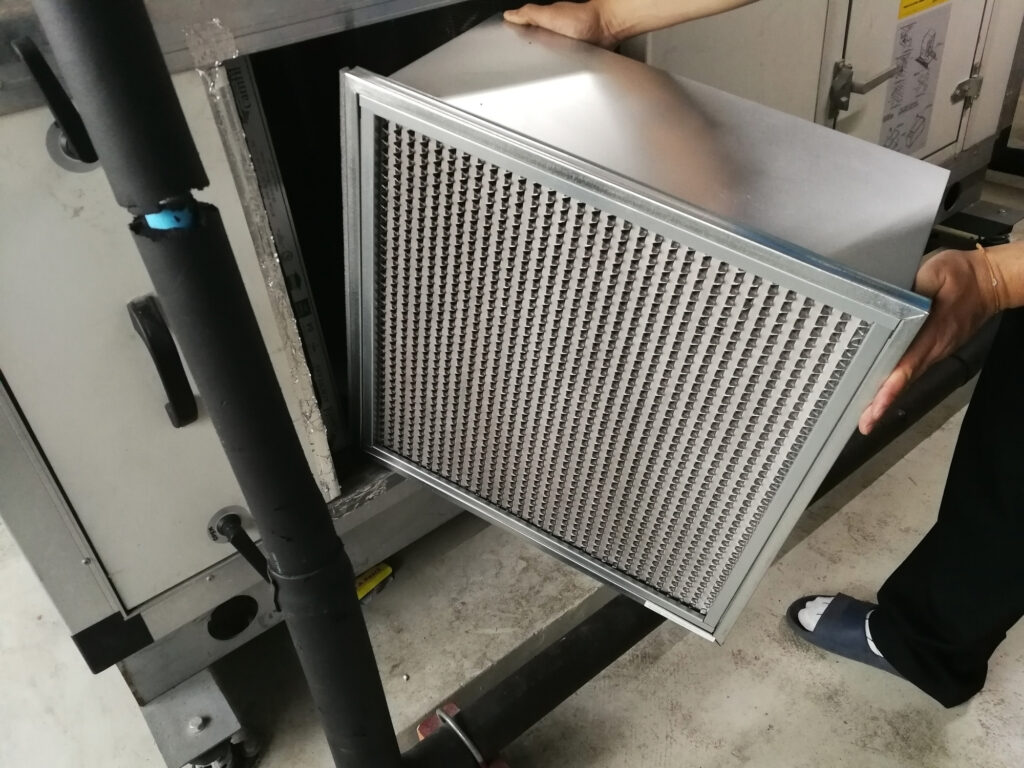
Your commercial kitchen exhaust fan is the engine behind your entire ventilation system. It creates the negative pressure that draws hot air, smoke, steam, and vaporized grease up through the hood and out through the ducts. Without a properly functioning exhaust fan, the rest of your ventilation system simply cannot do its job.

When the fan is underperforming, vaporized grease doesn’t travel through the system efficiently. Instead, it settles inside your ducts at a much faster rate, accelerating grease buildup and significantly increasing your fire risk. Poor airflow also means your kitchen fills with heat and smoke, creating uncomfortable and potentially hazardous conditions for employees.

The Warning Signs of a Failing Exhaust Fan

Exhaust fan problems don’t always announce themselves dramatically. In many cases, the signs are subtle and easy to dismiss until the situation becomes serious. Watch for these indicators that your exhaust fan may need attention:

Excessive heat buildup in the kitchen even when cooking loads are normal is one of the earliest warning signs. Visible smoke or lingering odors that don’t clear quickly suggest the fan is no longer moving air effectively. Unusual noises like rattling, squealing, or grinding can point to worn belts or failing bearings. A greasy residue accumulating faster than usual around your hood and filters is another sign that your fan isn’t drawing properly.

If you notice any of these issues, it’s worth having a professional take a look before the problem compounds.

What Routine Exhaust Fan Maintenance Includes

Keeping your exhaust fan in good working order doesn’t require a major overhaul — it requires consistent, professional attention. During every scheduled cleaning visit, Flue Steam technicians inspect your exhaust fan thoroughly. This includes checking belts for wear, inspecting other mechanical components, and greasing fan bearings to reduce friction and extend the life of the unit.

If your belts are worn and you have a replacement on hand, our technicians will install the new belt at no additional charge. The goal is to make sure your fan is drawing properly so your system stays cleaner longer between service visits — saving you money and reducing your fire risk at the same time.

Why This Matters for Fire Code Compliance

A poorly functioning exhaust fan doesn’t just create comfort problems — it can put you out of compliance with fire codes. When grease accumulates faster due to inadequate airflow, your system may fall below the cleanliness standards required by the NFPA and your local fire authority. That can mean failed inspections, fines, or worse.

Staying current with exhaust fan maintenance is one of the simplest ways to protect your compliance standing and keep your Certificate of Performance stickers up to date.

Keep Your Kitchen Running Safely

Your exhaust fan works hard every shift, and it deserves the same attention you give the rest of your ventilation system. Don’t wait for a breakdown to find out something was wrong.

Contact Flue Steam at 800-700-FLUE to schedule your next kitchen exhaust system cleaning and keep every component of your ventilation system — including your exhaust fan — in peak condition.

How Decontamination Services Protect Your Commercial Kitchen Staff and Customers

June 11, 2026

Running a commercial kitchen means staying on top of countless safety responsibilities — from grease filter maintenance to fire suppression inspections. But one area that often gets overlooked is surface-level contamination. The same high-traffic environment that makes your kitchen productive also makes it a hotspot for the spread of harmful pathogens, bacteria, and viruses. That’s where professional decontamination services come in.

At Flue Steam, we’ve been protecting Southern California’s commercial kitchens for more than 50 years. In addition to our comprehensive exhaust system cleaning and fire prevention services, we also offer professional decontamination services designed to give your staff and customers the peace of mind they deserve.

What Professional Decontamination Actually Does

Routine cleaning keeps surfaces looking tidy, but it doesn’t always eliminate the pathogens that can put people at risk. Professional decontamination goes further by using EPA-registered products specifically formulated to disinfect, sanitize, and eliminate a broad spectrum of harmful microorganisms.

At Flue Steam, we use an EPA-registered product listed on the EPA’s List N, which classifies it as a disinfectant, virucidal, bactericidal, and tuberculocidal agent. It has demonstrated effectiveness against a wide range of pathogens, including COVID-19, MRSA, HEP-C, HIV, SARS, and PED Coronavirus. When a product earns an emergency viral pathogen claim from the EPA, it means the product has proven effective against viruses that are even harder to eliminate than SARS-CoV-2 — a meaningful distinction when the health of your team is on the line.

How the Process Works

The Flue Steam decontamination process uses fogging, misting, and targeted wiping of high-touch surfaces throughout your facility. This includes areas like doorknobs, counters, keyboards, phones, ATMs, time clocks, credit card machines, and shopping carts — essentially anywhere hands make frequent contact.

One of the biggest advantages of our approach is that we use non-flammable products with extremely low corrosive potential compared to bleach and other common disinfectants. That means the treatment is safe to use around sensitive electronics and equipment. Better yet, your staff can re-enter the treated area just 30 minutes after application, keeping downtime to an absolute minimum.

Our technicians are fully trained in PPE best practices to protect both themselves and your facility during the process. They take special precautions to prevent cross-contamination, so you can feel confident in the results.

Who Can Benefit from Decontamination Services

While commercial kitchens are a natural fit for decontamination services, Flue Steam is equipped to treat a wide variety of commercial facilities. Restaurants, hotels, hospitals, supermarkets, factories, warehouses, country clubs, gyms, schools, and offices are all environments where our decontamination services can make a real difference.

If you manage any type of commercial space with regular foot traffic, periodic professional decontamination is a smart investment in the health and safety of everyone who walks through your doors.

A Partner You Can Trust

Choosing Flue Steam for decontamination services means working with a company that has been trained, certified, and authorized in the application of industry-leading chemicals for commercial facility decontamination. We bring the same commitment to thoroughness and professionalism to our decon services that we bring to every exhaust cleaning and fire prevention job we do.

Your employees and customers deserve to know that serious steps have been taken to keep them safe. Let Flue Steam help you deliver on that promise.

To learn more about our decontamination services or to request a free quote, contact Flue Steam at 800-700-FLUE today.

How Often Should a Commercial Kitchen Schedule Exhaust System Cleaning?

May 21, 2026

If you run a commercial kitchen, you already know that cleanliness is non-negotiable. But while most kitchen managers stay on top of daily surface cleaning and equipment sanitizing, exhaust system cleaning often gets pushed to the back burner—sometimes literally. The truth is, how often you clean your kitchen exhaust system can be the difference between smooth daily operations and a devastating grease fire. Flue Steam has been helping Southern California restaurants and commercial kitchens stay clean, safe, and compliant for over 40 years, and one of the most common questions we hear is: how often is often enough?

It Depends on How Much You Cook

There is no single answer that applies to every kitchen. Cleaning frequency should be based on how much cooking you do and what type of cooking it involves. The National Fire Protection Association (NFPA) sets the standard guidelines that most fire codes are built around, and they break it down like this:

Monthly: cleaning is recommended for high-volume operations such as 24-hour diners, kitchens that cook with solid fuels like wood or charcoal, or any operation that produces large amounts of grease-laden vapors

Quarterly: cleaning is typically appropriate for moderate-volume kitchens, including most full-service restaurants and catering operations.

Semi-annually: works for lower-volume kitchens such as those found in churches, day camps, or seasonal businesses.

Annually: may be sufficient for very low-use kitchens, such as those in certain office buildings or senior centers where cooking is minimal.

When in doubt, more frequent cleaning is always the safer choice. Grease accumulation does not wait for a convenient time to become a fire hazard.

Why Frequency Matters Beyond Compliance

Meeting code is important, but there are other compelling reasons to keep your exhaust system on a regular cleaning schedule. Grease buildup inside your ducts, hood, and exhaust fan does not just create a fire risk—it also reduces airflow efficiency, causes your system to work harder, and shortens the lifespan of your equipment. A well-maintained exhaust system keeps your kitchen cooler, your air cleaner, and your staff more comfortable during long shifts.

Regular cleaning also protects your bottom line. A grease fire that triggers your automatic suppression system or, worse, spreads beyond it, can mean thousands of dollars in damage, a temporary shutdown, and a serious blow to your reputation. Staying ahead of grease accumulation is far less expensive than dealing with the aftermath.

Hand Scraping vs. Steam Cleaning: Matching the Method to the Schedule

For kitchens that require monthly service, hand scraping is a practical and cost-effective option. It removes surface grease from accessible areas and keeps buildup from reaching dangerous levels between more thorough cleanings. Steam cleaning, which uses high-pressure hot water to penetrate deeper into the system, is more comprehensive and is typically done two to four times per year alongside regular hand scraping.

Flue Steam recommends a combination approach for most commercial kitchens: monthly hand scraping with periodic steam cleaning to address what routine service cannot reach.

Stay on Schedule with Flue Steam

Keeping up with exhaust system cleaning is easier when you have a reliable partner handling the scheduling for you. Flue Steam works with each client to set a cleaning frequency that matches their operation, keeps them compliant with NFPA and local fire codes, and provides a Certificate of Performance sticker after every visit as documentation for code inspectors and insurance purposes.

Ready to get on a schedule that protects your kitchen and your business? Contact Flue Steam today at 800-700-FLUE to get started.