



Portable Fire Extinguisher Maintenance for Commercial Kitchens: Monthly Checks, Annual Service, and What Your Inspection Tag Means
November 20, 2026
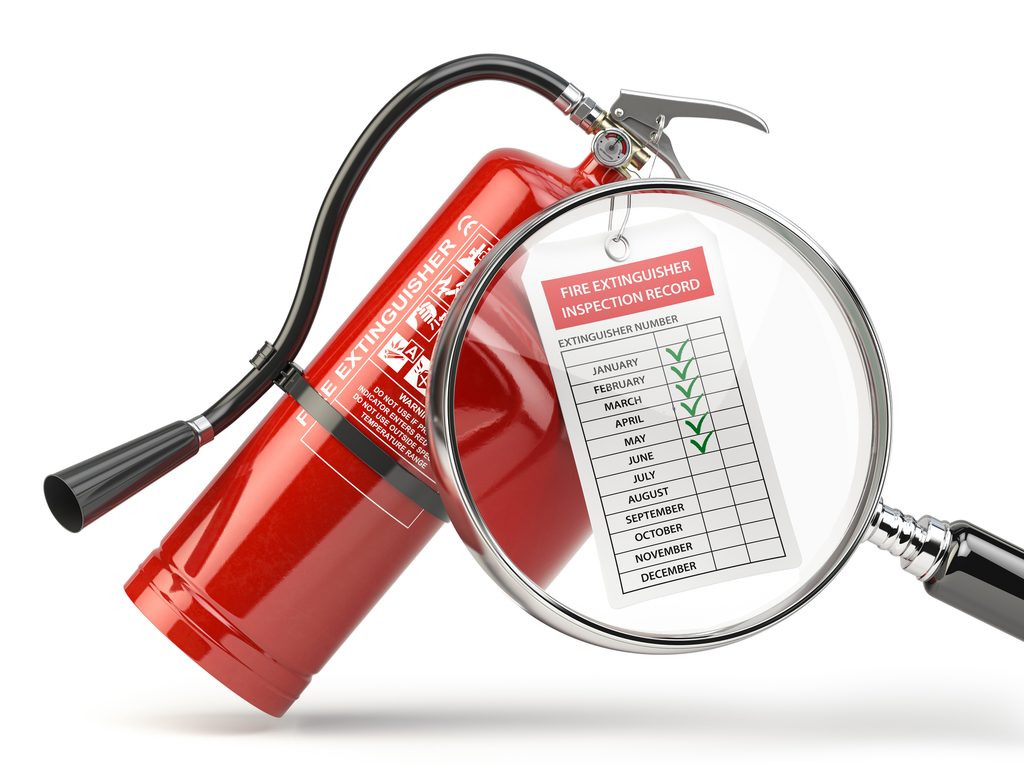
A portable fire extinguisher only helps if it works the moment someone pulls the pin. In a commercial kitchen, that means two layers of care: quick monthly checks by your own staff and yearly service by a licensed technician. The tag hanging from each extinguisher is the record that both are happening, and it’s one of the first things a fire inspector looks at.
At Flue Steam, we sell and service portable fire extinguishers for restaurants and commercial kitchens throughout Southern California. Here’s a plain-language guide to what your extinguishers need, how often they need it, and how to read the tag.
Why Does Extinguisher Maintenance Matter So Much in a Kitchen?
Kitchens are hard on equipment. Heat, steam, and airborne grease settle on everything, including extinguishers mounted near the cooking line. Hoses get stiff or clogged. Pins and tamper seals get knocked loose during a busy shift. An extinguisher that was fine when you opened can be blocked by a stack of boxes or moved to the wrong wall a few months later.
Most fire codes in California follow NFPA 10, the national standard for portable fire extinguishers, along with state rules that require service to be done by licensed technicians. Together, they set a simple schedule: check monthly, service yearly, and test or rebuild at longer intervals depending on the type of extinguisher.
What Should Your Staff Check Every Month?
Monthly inspections are quick visual checks that a manager or trained employee can do. They take a minute or two per extinguisher. Each month, look for these things:
- Location. The extinguisher is in its assigned spot, mounted on its bracket, and easy to see.
- Access. Nothing is blocking it. No carts, boxes, or mop buckets in front of it.
- Pressure gauge. On models with a gauge, the needle sits in the green zone.
- Pin and seal. The safety pin is in place and the tamper seal isn’t broken.
- Physical condition. No dents, rust, leaks, or heavy grease on the body.
- Hose and nozzle. The hose isn’t cracked and the nozzle is clear.
- Tag. The service tag is attached and the annual service date hasn’t passed.
Record each monthly check. Many businesses initial and date the back of the tag or keep a simple log near the manager’s office. If an inspector asks, you’ll have proof the checks were done. If anything looks off, take the extinguisher out of service and call a licensed technician.
What Happens During Annual Service?
Once a year, every extinguisher needs a more thorough maintenance visit by a licensed technician. This goes beyond what your staff can see from the outside. During annual service, a technician will typically:
- Check the cylinder, valve, and hose more closely for damage or corrosion
- Confirm the extinguisher has the right weight or pressure for a full charge
- Make sure the type and size match the hazard in that part of your building
- Confirm mounting height, placement, and travel distance meet code
- Replace any broken seals or missing pins
- Attach a new service tag with the date and the technician’s information
At Flue Steam, our licensed technicians handle this service for commercial kitchens and can help you schedule it alongside your other fire safety work. Learn more about our portable fire extinguisher sales and service.
What About Longer-Term Testing?
Some maintenance happens on a multi-year cycle. These intervals depend on the type of extinguisher:
- Class K wet chemical extinguishers are hydrostatically tested every five years. In this test, the cylinder is pressurized with water to make sure it can still safely hold pressure.
- Dry chemical ABC extinguishers, the kind often found in dining rooms, offices, and storage areas, need internal maintenance every six years and a hydrostatic test every 12 years.
Your technician will track these dates and let you know when an extinguisher is due. When a unit is too damaged or too old to service economically, it’s often more practical to replace it.
How Do You Read an Extinguisher Inspection Tag?
The tag is a small card attached to the neck of the extinguisher. While formats vary, a California service tag generally shows:
- The name and license information of the company that did the service
- The date of the most recent service, often punched out by month and year
- The type of service performed, such as annual maintenance, recharge, or hydrostatic test
- The technician’s name or signature
If the punched date is more than a year old, the extinguisher is overdue. A missing tag is also a problem, because there’s no proof the unit was ever serviced. Both are common findings during fire inspections and easy to avoid.
Where Should Kitchen Extinguishers Be Placed?
Placement matters as much as maintenance. Commercial kitchens with deep fat fryers need a Class K extinguisher within 30 feet of the cooking appliances. Other areas of the building need extinguishers rated for ordinary combustibles, placed so staff never have to travel too far to reach one.
Class K extinguishers should also have a placard nearby reminding staff to activate the hood suppression system first. The portable extinguisher is a backup, not the first line of defense. Your automatic fire suppression system is designed to handle fires at the cooking line, and the extinguisher helps if flames remain afterward.
Frequently Asked Questions About Extinguisher Maintenance
Can my staff do the annual service themselves?
No. Monthly visual checks can be done in-house, but annual maintenance, recharging, and hydrostatic testing must be done by a licensed technician.
Does an extinguisher need service after it’s used?
Yes. Even a short burst can let pressure escape. Any extinguisher that has been discharged, even partially, should be recharged or replaced right away.
How many extinguishers does my kitchen need?
It depends on your floor plan, cooking equipment, and local fire code. A technician can walk your space and recommend the right number, types, and locations.
Keep Your Kitchen Ready
Monthly checks take a few minutes. Annual service takes one quick visit. Together, they make sure your extinguishers work when your staff needs them and keep your kitchen in good standing with fire inspectors. Flue Steam has helped Southern California businesses with fire prevention for more than 40 years, and we can handle the sales, placement, and licensed service of your extinguishers.
Call Flue Steam today at 800-700-FLUE to schedule your portable fire extinguisher service.






Copyright © 2026 Flue Steam Inc. All Rights Reserved. | Service Locations
Website by 
