



How Often Should a Commercial Kitchen Schedule Exhaust System Cleaning?
May 21, 2026
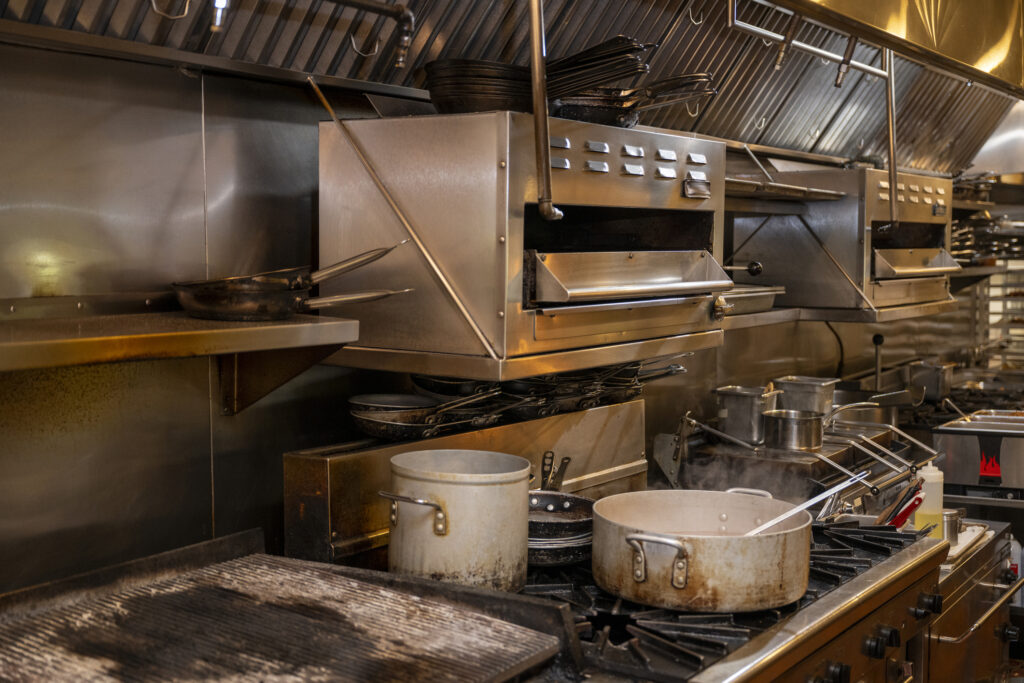
If you run a commercial kitchen, you already know that cleanliness is non-negotiable. But while most kitchen managers stay on top of daily surface cleaning and equipment sanitizing, exhaust system cleaning often gets pushed to the back burner—sometimes literally. The truth is, how often you clean your kitchen exhaust system can be the difference between smooth daily operations and a devastating grease fire. Flue Steam has been helping Southern California restaurants and commercial kitchens stay clean, safe, and compliant for over 40 years, and one of the most common questions we hear is: how often is often enough?
It Depends on How Much You Cook
There is no single answer that applies to every kitchen. Cleaning frequency should be based on how much cooking you do and what type of cooking it involves. The National Fire Protection Association (NFPA) sets the standard guidelines that most fire codes are built around, and they break it down like this:
Monthly: cleaning is recommended for high-volume operations such as 24-hour diners, kitchens that cook with solid fuels like wood or charcoal, or any operation that produces large amounts of grease-laden vapors
Quarterly: cleaning is typically appropriate for moderate-volume kitchens, including most full-service restaurants and catering operations.
Semi-annually: works for lower-volume kitchens such as those found in churches, day camps, or seasonal businesses.
Annually: may be sufficient for very low-use kitchens, such as those in certain office buildings or senior centers where cooking is minimal.
When in doubt, more frequent cleaning is always the safer choice. Grease accumulation does not wait for a convenient time to become a fire hazard.
Why Frequency Matters Beyond Compliance
Meeting code is important, but there are other compelling reasons to keep your exhaust system on a regular cleaning schedule. Grease buildup inside your ducts, hood, and exhaust fan does not just create a fire risk—it also reduces airflow efficiency, causes your system to work harder, and shortens the lifespan of your equipment. A well-maintained exhaust system keeps your kitchen cooler, your air cleaner, and your staff more comfortable during long shifts.
Regular cleaning also protects your bottom line. A grease fire that triggers your automatic suppression system or, worse, spreads beyond it, can mean thousands of dollars in damage, a temporary shutdown, and a serious blow to your reputation. Staying ahead of grease accumulation is far less expensive than dealing with the aftermath.
Hand Scraping vs. Steam Cleaning: Matching the Method to the Schedule
For kitchens that require monthly service, hand scraping is a practical and cost-effective option. It removes surface grease from accessible areas and keeps buildup from reaching dangerous levels between more thorough cleanings. Steam cleaning, which uses high-pressure hot water to penetrate deeper into the system, is more comprehensive and is typically done two to four times per year alongside regular hand scraping.
Flue Steam recommends a combination approach for most commercial kitchens: monthly hand scraping with periodic steam cleaning to address what routine service cannot reach.
Stay on Schedule with Flue Steam
Keeping up with exhaust system cleaning is easier when you have a reliable partner handling the scheduling for you. Flue Steam works with each client to set a cleaning frequency that matches their operation, keeps them compliant with NFPA and local fire codes, and provides a Certificate of Performance sticker after every visit as documentation for code inspectors and insurance purposes.
Ready to get on a schedule that protects your kitchen and your business? Contact Flue Steam today at 800-700-FLUE to get started.





Copyright © 2026 Flue Steam Inc. All Rights Reserved. | Service Locations
Website by 
