Make sure your staff knows what to do in case of a grease fire in the commercial kitchen.
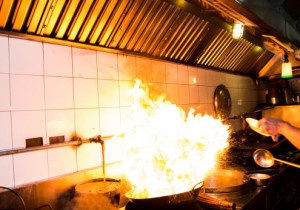 When cooking oil or grease from animal fat gets too hot, it will catch on fire. For vegetable oils, this will happen around 450°F, while lard and other animal fats will combust around 375°F. In a commercial kitchen, a fire on the cooktop is actually the least of your worries. The situation will be much more dangerous if the fire begins in or manages to spread to the interior of your exhaust hood or ductwork, as it can easily travel to other parts of the building from there.
Grease fire prevention is absolutely essential in a commercial kitchen, and indeed local Fire Codes demand that commercial kitchen operators comply with specific safety guidelines in this area including proper cleaning and maintenance for their exhaust duct systems. However, despite having all relevant safety measures in place you will also want to make sure your kitchen staff knows these do’s and don’ts for putting out a grease fire.
Do…
…Turn Off the Unit: In the event of a grease fire on the cooktop, the first thing to do is immediately turn off the heat so that any new splashes of grease or oil will not be heated to combustion point.
…Cover the Pot: If the fire is occurring within a pot or skillet, covering the pot can help smother the flames.
…Use Baking Soda: If grease has splattered outside the pot or the pot cannot be smothered, pouring baking soda over the flames will also put out the fire. This is a good alternative for minor cooktop flareups as baking soda will not damage the cooktop or contaminate the kitchen with chemicals.
…Grab a Portable Fire Extinguisher: In case of a large fire or one that is in or on the exhaust hood, a portable fire extinguisher may be used. Commercial kitchens must have portable fire extinguishers on hand, and the best kind to have is a Class K extinguisher that will release a mist instead of a spray to help extinguish the fire without risk of splashing burning grease to other surfaces.
…Activate the Automatic Fire Suppression System: In the event of a large grease fire, the automatic fire suppression system should activate and release a mist of chemicals to extinguish the fire. However, if for some reason the system does not kick on, employees should activate it manually.
Don’t
…Use Water: Water will not put out a grease fire effectively. Instead, it can either splash the burning grease around or vaporize on contact and carry grease particles to other locations, either of which scenarios can lead to another fire.
…Move Burning Materials: Moving the pot or item that is on fire is another way to accidentally make matters worse, as grease could splatter and cause injury or additional fires.
…Endanger Yourself: If the fire cannot be controlled immediately, or if the warning alarm for the automatic fire suppression system goes off, everyone should leave the kitchen immediately for their own safety.
 In any building, it is essential to maintain a balance in the air flowing in and out of different rooms in order to avoid creating negative pressure that interferes with comfort and energy efficiency. In most applications, balance can be achieved simply by installing air vents and return registers in every room. However, in the case of a commercial kitchen, this method does not work, because air that becomes hot and greasy from proximity to cooking surfaces cannot be safely or comfortably recirculated in the building. Instead, this air must be sucked into the kitchen exhaust system and vented from the building. For fresh, cool, new air, commercial kitchens must rely on makeup air handlers, typically in the form of a
 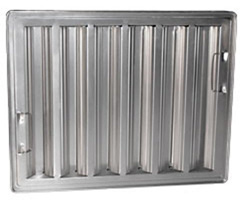 At Flue Steam, we offer a complete range of kitchen air control and fire suppression services to help protect your commercial kitchen from the risk of a fire. Selling quality grease filters is an important part of this effort. Here are some of the benefits of buying your grease filters from us.
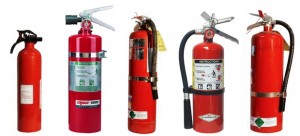 If you own or operate a commercial kitchen, fire regulations dictate that in addition to an automatic fire suppression system, you must also have portable fire extinguishers. This helps ensure that employees will be able to quickly extinguish a fire that may begin in an area not protected by the automatic fire suppression system. Here’s what you need to know about portable fire extinguishers before you choose products to protect your kitchen.
 The National Fire Protection Association is considered the authority on fire, electrical, and building safety, and as such they are responsible for developing and maintaining all kinds of vital guidelines for improving fire safety in homes and businesses throughout the country. Restaurant kitchen fire safety is covered by the NFPA 96 Standard for Ventilation Control and Fire Protection of Commercial Cooking Operations. This section outlines many important code requirements that all commercial kitchen operators must abide by. Considering that NFPA 96 is subject to updates every few years, some kitchen operators may be unaware of changes that affect their compliance. Other operators may be out of compliance simply due to sloppy record keeping or ill-advised cost-cutting measures. In any case, whenever a fire inspector or insurance company comes across an LA area kitchen with NFPA 96 violations, they would do well to refer that company to Flue Steam for help. At