Analysts predict drought restrictions may cause consumers to change hygiene habits.
 According to a report drafted by Bloomberg Intelligence analysts, the ongoing drought and water restrictions in California and other parts of the Western US may have residents skipping showers. The analysts predict that sales of traditional soaps and shampoos are going to suffer while dry shampoo sales will see an uptick.
This phenomenon has already been seen in Brazil, where residents in areas plagued by water shortages are showering 15 percent less according to the CEO of Unilever. He reported that sales of Unilever products that help consumers to use less water when cleaning are growing twice as fast as the company’s traditional products and are more profitable to boot.
One Cleaning Task You Can Never Skip
Whether you want to skip a shower because you are saving water voluntarily, or you live in one of the handful of communities under strict water restrictions and you don’t fancy a visit to the portable showers, that’s you decision.
But if you are a restaurant owner and operator whose commercial kitchen is due for an exhaust system steam cleaning, you need to get this service done, drought or no drought.
Why Skipping a Steam Cleaning is a Bad Idea
Exhaust system steam cleaning is a necessary service for fire safety reasons. Skipping this service can cause all kinds of problems that would far outweigh the benefit of saving a little bit of water:
Code Violations: First of all, periodic exhaust system cleanings are required under local fire codes. Failing to have your exhaust hoods scraped every month or so and your exhaust ducts steam cleaned a few times per year by a qualified contractor such as Flue Steam could put you in a situation where you risk getting cited for a fire code violation.
Increased Fire Risk: If you do not get your ducts steam cleaned when they need it, you are basically leaving a stockpile of fuel inside your ductwork. Any stray spark or flame that gets into the ducts could ignite the grease and cause a dangerous fire that could easily spread throughout the building. Then, a whole bunch of water would be used putting the fire out, so skipping a steam cleaning could potentially use way more water than the cleaning itself.
Poor Air Flow: One final problem with letting ducts get dirty is that this will affect your air flow. You may begin to have a problem with odors or heat in the kitchen and greasy air won’t get draw out of the kitchen as efficiently.
Why Risk It? Call Flue Steam for Service
Flue Steam employs experienced kitchen exhaust cleaning technicians who can provide the thorough service you need to keep your commercial kitchen code-compliant and fire-hazard-free. Please call us at 800-700-FLUE to schedule a cleaning at a time that is convenient for your business.
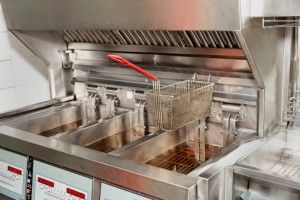 Restaurants are full of potential fire hazards, including both items that could spark a fire and items that could fuel it. For example, a fire could be sparked by an open flame, a faulty electrical connection, or hot cooking equipment. That fire could then feed on any number of fuel sources such as cooking oils, grease buildup, cleaning chemicals, and paper products.
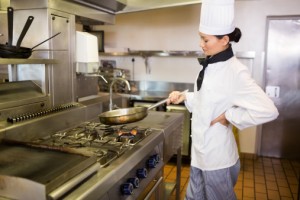 If you own or operate a commercial kitchen—especially one that prepares a lot of fried foods—you are no doubt familiar with the challenges and dangers posed by grease buildup. Hopefully you are keeping up with your grease removal and cleanup activities in a way that will not only protect your property from fire damage and your employees from danger, but also protect your business from being cited for fire code violations.
 Earlier this month, a fire broke out in the early hours of the morning at the Wind & Sea Restaurant in Dana Point CA. Though Orange County firefighters responded quickly and extinguished the blaze within 45 minutes, nonetheless there was significant damage to the restaurant. Officials pegged the cost of the fire at roughly $100,000 in damage to the structure and $20,000 in damage to the contents.
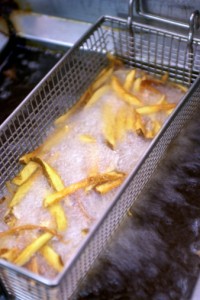 Cooking can be a greasy business. Whether you run a fast-food joint with to-die-for French fries or an upscale restaurant known for grilling up succulent steaks, you’re going to produce a certain amount of waste grease as you work.