Blog

Why Hand Scraping Still Matters in a High-Tech Kitchen Cleaning World

August 16, 2025
Why Hand Scraping Still Matters in a High-Tech Kitchen Cleaning World

In an era of high-pressure steam systems and automated cleaning tools, it’s easy to assume that traditional methods like hand scraping are outdated. But in the world of commercial kitchen exhaust system maintenance, hand scraping is far from obsolete—it’s essential. At Flue Steam, we continue to rely on this tried-and-true technique because it offers unmatched precision, safety, and compliance.

What Is Hand Scraping?

Hand scraping involves using metal scrapers, brushes, and other manual tools to physically remove built-up grease from the interior surfaces of kitchen exhaust hoods, ducts, and fans. While it may sound simple, the process requires trained technicians who understand how to work safely in confined spaces and identify grease buildup in hard-to-reach areas.

Why Hand Scraping Is Still Critical

Even as modern technology advances, there are several reasons hand scraping remains a core part of a comprehensive exhaust cleaning strategy:

1. It’s Often the First Line of Defense

Hand scraping is the most direct and effective way to remove thick, caked-on grease before steam cleaning begins. If grease is allowed to build up over time, steam alone may not be sufficient to break it down. Manual removal ensures that the system is cleaned to bare metal standards, as required by NFPA 96 fire code.

2. It Reaches the Trouble Spots

Automated or high-pressure tools can miss narrow corners, seams, and irregular surfaces within exhaust systems. Hand scraping allows technicians to get into those spaces—especially in older systems that weren’t built with modern access panels. This detailed work can be the difference between a safe kitchen and a fire hazard.

3. It Reduces Fire Risk

Grease is fuel for fire. The more completely it’s removed, the safer your kitchen will be. Manual scraping is especially effective at eliminating highly flammable, semi-solid grease deposits that collect near heat sources and fan blades—areas where fires often start.

4. It’s Code-Compliant

According to NFPA 96 and most local fire safety codes, grease must be removed from the entire exhaust system, not just the visible parts. Hand scraping ensures compliance by making it possible to clean components that automated systems can’t reach, helping your business pass inspections and avoid costly violations.

5. It’s Part of a Holistic Approach

At Flue Steam, hand scraping is never a standalone service. It’s integrated into our complete exhaust system cleaning protocols, which may also include steam cleaning, filter replacement, fan maintenance, and more. Hand scraping plays a foundational role in this layered approach.

When Is Hand Scraping Most Needed?

While hand scraping is often used during every routine cleaning, it’s especially important when:

  • A system hasn’t been cleaned on schedule
  • There’s visible grease dripping from hoods or ducts
  • Cooking equipment is used for high-volume frying or grilling
  • A kitchen has recently failed a safety inspection
  • There are signs of reduced airflow or fan strain

If any of these apply to your kitchen, hand scraping may be necessary to get things back to code.

Trust the Experts Who Still Get Their Hands Dirty

At Flue Steam, we’ve been hand scraping kitchen exhaust systems across Southern California for over 40 years. Our technicians know what to look for, where to clean, and how to get the job done right—without cutting corners or relying too heavily on automated tools.

Schedule Your Full-System Cleaning Today

Don’t wait for grease buildup to turn into a fire hazard. Contact Flue Steam at 800-700-FLUE to schedule a full-service exhaust system cleaning that includes hand scraping, steam cleaning, and more. We’ll help keep your kitchen compliant, clean, and fire-safe—no shortcuts allowed.
What Happens During a Kitchen Exhaust Fan Service—And Why It Matters

August 8, 2025
What Happens During a Kitchen Exhaust Fan Service—And Why It Matters

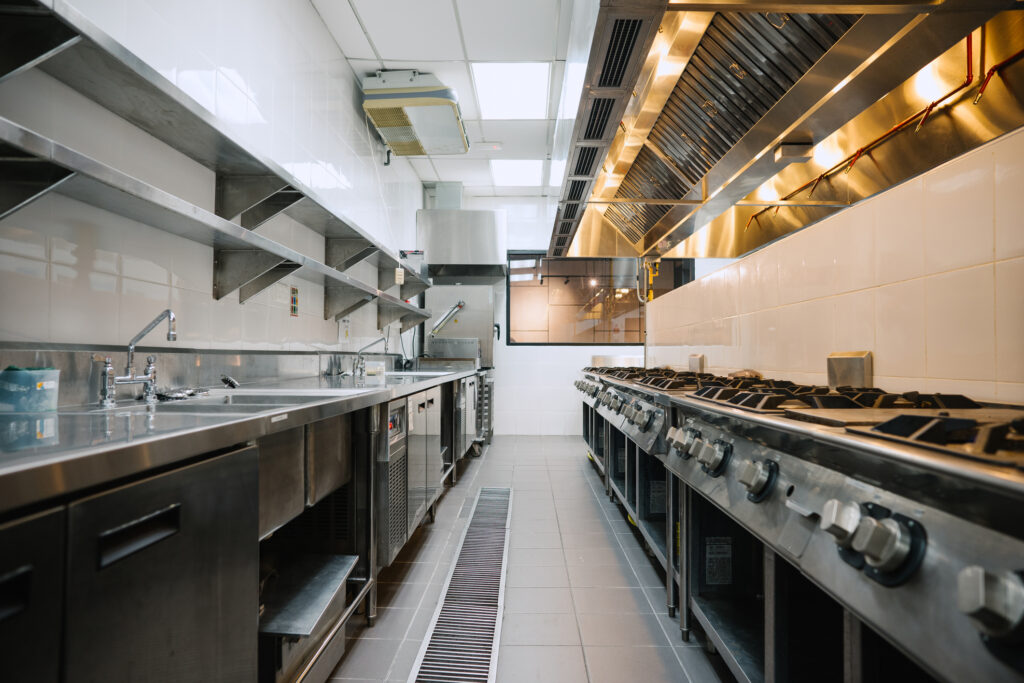
Your commercial kitchen’s exhaust fan works hard behind the scenes—pulling smoke, heat, grease-laden air, and odors up and out of your space. But like any mechanical system, it needs regular maintenance to keep performing safely and effectively. At Flue Steam, we know that a failing exhaust fan doesn’t just slow down ventilation—it can become a major fire hazard, a compliance issue, and a threat to your entire operation.

If it’s been a while since your last fan check, here’s what professional kitchen exhaust fan service includes and why it’s essential for fire safety, ventilation, and performance.

Why Exhaust Fans Need Regular Maintenance

Exhaust fans are critical components of any commercial kitchen ventilation system. When properly maintained, they:

  • Remove hot, greasy air from the kitchen
  • Balance air pressure with make-up systems like swamp coolers
  • Reduce smoke and odors
  • Minimize grease accumulation in hoods and ductwork
  • Protect against fire by venting hazardous vapors

When neglected, however, they can:

  • Overheat or fail due to clogged blades and motors
  • Reduce airflow, allowing heat and contaminants to build up
  • Spread grease deposits through ducts, increasing fire risk
  • Trip circuit breakers or cause electrical problems
  • Lead to failed inspections or code violations

What’s Included in a Professional Fan Service

At Flue Steam, our fan maintenance service is comprehensive and customized to each kitchen’s needs. Here’s what our technicians typically perform during an exhaust fan service:

1. Visual Inspection

We begin with a full inspection of the fan, including mounting hardware, wiring, and vibration levels. Loose or worn components can cause premature failure or dangerous mechanical problems.

2. Grease Removal

Grease buildup on the fan blades is not only a fire risk—it also reduces fan efficiency. We remove all grease and debris from blades, housing, and surrounding areas using safe, effective cleaning solutions.

3. Belt & Motor Check

Most exhaust fans operate using belt-driven motors. We check the condition of belts, tighten tension if needed, and replace any that show signs of wear. We also test the motor for performance, overheating, or unusual noise.

4. Lubrication

Where applicable, we lubricate bearings and moving parts to ensure smooth operation and reduce wear over time.

5. Secure and Seal

We make sure the fan is properly mounted and sealed to the ductwork to prevent vibration, leaks, or safety hazards. We also verify that the backdraft damper is functional.

6. Performance Testing

Once cleaned and serviced, we power up the system and test airflow to ensure the fan is operating at full capacity. We can also check that airflow is balanced with your make-up air system for safe, efficient operation.

7. Documentation and Compliance

You’ll receive a full report of what was serviced, cleaned, or replaced—ideal for keeping on hand for health and fire code inspections.

Signs Your Exhaust Fan Needs Service

Even if it’s running, your exhaust fan may be signaling trouble. Watch for:

  • Unusual noise or vibration
  • Reduced airflow or lingering smoke
  • Overheating or a burnt smell
  • Oil or grease dripping from the housing
  • Fan motor failure or frequent circuit breaker trips

Any of these issues could mean it’s time for a professional inspection.

Bundle Fan Maintenance with Your Next Cleaning

Many of our clients schedule fan service alongside their regular exhaust system cleaning. That’s a smart move—it minimizes downtime, keeps your kitchen compliant, and ensures the entire ventilation system is running smoothly from hood to duct to fan.

Stay Ahead of Trouble—Schedule Fan Service Today

Don’t wait until your exhaust fan stops working or a fire inspector flags a violation. Call Flue Steam at 800-700-FLUE today to schedule professional fan service for your commercial kitchen. We’ll help you keep the air moving, the grease under control, and your kitchen safe, clean, and code-compliant.

The Overlooked Risk: Why Regular Duct Cleaning is Critical in Commercial Kitchens

July 18, 2025
The Overlooked Risk: Why Regular Duct Cleaning is Critical in Commercial Kitchens

When it comes to commercial kitchen safety and compliance, most operators focus on cleaning hoods and fans. But what about the ductwork running behind the scenes? Neglected kitchen exhaust ducts are one of the most overlooked fire hazards in foodservice environments—and the consequences of skipping this step can be costly.

At Flue Steam, we’ve seen firsthand how grease-laden ducts turn into fire starters. Here’s why routine duct cleaning is essential—and how our expert service can keep your kitchen running clean, safe, and up to code.

Grease Buildup Doesn’t Stop at the Hood

Most restaurant owners understand the importance of cleaning the visible parts of their kitchen exhaust systems, especially the hood where grease and smoke collect during cooking. But that’s only the start. Grease-laden vapors travel up into the ductwork, where they condense and stick to the metal walls—often in hard-to-reach areas.

This buildup isn’t just unsightly—it’s highly flammable. A flare-up on the cooktop can ignite grease deposits hidden inside the ducts, sending flames racing through your ventilation system and putting your entire building at risk.

Fire Code Compliance Requires Duct Cleaning

NFPA 96, the national fire code that governs commercial kitchen ventilation systems, mandates full-system cleaning—not just the visible parts. According to these regulations:

  • The entire exhaust system, including ducts, must be inspected and cleaned on a regular schedule.
  • Frequency depends on cooking volume and type of food (e.g., every 3 months for high-volume fryers).
  • Proper access panels must be in place to allow full duct inspection and cleaning.

Failure to comply can result in code violations, failed inspections, insurance issues, or worse—a preventable kitchen fire.

Improved Airflow and Efficiency

Clogged ducts don’t just increase fire risk—they also reduce the performance of your exhaust system. Restricted airflow leads to:

  • Hotter kitchen temperatures
  • Lingering smoke and odors
  • Overworked exhaust fans and motors
  • Increased energy bills

By scheduling regular duct cleaning with Flue Steam, you help your ventilation system run more efficiently, creating a more comfortable and productive work environment for your team.

What Professional Duct Cleaning Looks Like

At Flue Steam, our technicians follow industry-leading standards for full exhaust system cleaning. This includes:

  • Removing grease buildup from the entire length of the ductwork
  • Using specialized tools and steam cleaning where needed
  • Installing and utilizing access panels to reach hidden areas
  • Cleaning fans, hoods, and filters as part of a complete system service
  • Providing post-cleaning documentation for your compliance records

We work around your schedule—off-hours or overnight—so you can stay open without disruptions.

Warning Signs Your Ducts Need Attention

Not sure if your ducts are due for a cleaning? Look for these red flags:

  • A persistent greasy smell in your kitchen
  • Visible smoke that doesn’t vent properly
  • Loud or straining exhaust fans
  • A noticeable uptick in utility bills
  • It’s been more than 3 to 6 months since your last full system cleaning

If any of these sound familiar, it’s time to call in the pros.

Don’t Let Hidden Hazards Compromise Your Kitchen

Grease fires can spread in seconds—but with proactive maintenance, they’re completely preventable. Full duct cleaning is not just about staying compliant; it’s about protecting your staff, your customers, and your business from avoidable disaster.

To schedule a full exhaust system cleaning with certified technicians, call Flue Steam today at 800-700-FLUE. We’ll make sure your entire system—not just the parts you can see—is spotless, compliant, and ready to perform.

Filtered for Safety: The Hidden Benefits of a Grease Filter Exchange Program

July 10, 2025
Filtered for Safety: The Hidden Benefits of a Grease Filter Exchange Program

When it comes to managing a commercial kitchen, your grease filters are probably one of the last things on your mind—until they clog, create a fire hazard, or trigger a failed inspection. But clean, functioning filters are a first line of defense in keeping your kitchen safe, efficient, and compliant.

That’s where a professional grease filter exchange program from Flue Steam can make all the difference.

What Is a Grease Filter Exchange Service?

Instead of manually cleaning your filters or waiting for them to become a fire risk, a grease filter exchange program provides freshly cleaned or new filters on a scheduled basis. At Flue Steam, we deliver clean filters and take away the dirty ones—no scrubbing, no hassle, no downtime.

It’s a simple swap that comes with serious benefits.

Why Dirty Filters Are a Bigger Problem Than You Think

Over time, grease filters trap airborne fats, oils, and smoke that would otherwise coat your hood and ductwork. But once saturated, those filters stop working effectively—leading to:

  • Grease buildup in your duct system (a major fire hazard)
  • Reduced ventilation and airflow
  • Smoke and odor retention in the kitchen
  • Strain on exhaust fans and motors
  • Health code and fire safety violations

A clogged grease filter is more than just a maintenance issue—it’s a liability.

Fire Prevention Starts at the Filter

According to the National Fire Protection Association (NFPA), many commercial kitchen fires originate in cooking appliances and quickly spread via grease-laden ventilation systems. Clean, properly functioning filters are the first barrier between your appliances and your exhaust system.

Regular filter exchanges help:

  • Minimize the amount of grease entering your ducts
  • Reduce the risk of fire ignition and spread
  • Keep your staff and customers safe

At Flue Steam, we’ve helped countless kitchens across Southern California avoid fire hazards simply by keeping their filters on a consistent exchange schedule.

Save Time, Labor, and Water

Cleaning filters by hand is time-consuming, messy, and not always effective. Many kitchens rely on staff to clean filters with degreasers and hot water—but this uses extra labor, racks up water bills, and often leaves grease behind.

A professional exchange program eliminates that burden. Our team handles pickup, cleaning, and delivery—so your team stays focused on the kitchen, not the cleaning sink.

Ensure Code Compliance Without the Guesswork

Local fire codes and health departments often require proof that your grease filters are maintained regularly. With a grease filter exchange program from Flue Steam, you get:

  • A documented service history for inspections
  • Filters that meet UL and NFPA standards
  • Consistent service intervals that align with your cooking volume and compliance needs

We tailor your exchange schedule to fit your kitchen—whether you need clean filters weekly, bi-weekly, or monthly.

The Flue Steam Advantage

When you enroll in our grease filter exchange program, you’re getting more than clean filters. You’re partnering with a fire safety and ventilation expert with over 40 years of experience. Our team will:

  • Assess your current setup and filter type
  • Recommend an optimal service schedule
  • Deliver and install clean filters at your convenience
  • Dispose of used filters safely and legally

We’ll even bundle this service with your regular exhaust cleaning, fan maintenance, or suppression system inspection for maximum efficiency.

Stay Safe, Stay Efficient—Without Lifting a Finger

You have enough on your plate running a commercial kitchen. Let Flue Steam take filter management off your to-do list. With our grease filter exchange service, you’ll save time, stay compliant, and protect your kitchen from one of the most common fire hazards—all with one easy step.

Call 800-700-FLUE today to schedule your first filter exchange or request a custom service quote. We’re here to keep your kitchen safe, clean, and running smoothly—one filter at a time.

Don’t Overlook Your Swamp Cooler: The Hidden Key to a Safe and Comfortable Commercial Kitchen

June 20, 2025
Don’t Overlook Your Swamp Cooler: The Hidden Key to a Safe and Comfortable Commercial Kitchen

Don’t Overlook Your Swamp Cooler: The Hidden Key to a Safe and Comfortable Commercial Kitchen

In any commercial kitchen, proper ventilation is critical—not just for comfort, but for safety, code compliance, and performance. While most owners and managers focus on cleaning greasy exhaust fans and hoods, there’s one vital system component that often gets ignored: the swamp cooler.

At Flue Steam, we’ve seen firsthand how failing to maintain this essential piece of equipment can lead to poor air quality, uncomfortable working conditions, and even system failure. If you operate a restaurant, cafeteria, or food service facility in Southern California, here’s why your swamp cooler deserves as much attention as your exhaust system.

What Is a Swamp Cooler—and Why Does It Matter?

Also known as an evaporative cooler, a swamp cooler pulls in outside air, passes it over water-saturated pads, and delivers that cooled, fresh air into your kitchen. It plays a crucial role in balancing the negative pressure created by your exhaust fans.

When your exhaust system pulls hot, greasy air out, the swamp cooler replaces it with clean, cool air—creating a balanced airflow loop that’s essential for:

  • Keeping your kitchen temperatures comfortable
  • Preventing backdrafts or vacuum effects
  • Ensuring effective removal of heat, smoke, and fumes
  • Maintaining indoor air quality for your staff

Without a properly functioning swamp cooler, you could end up with increased heat, smoke buildup, reduced airflow, and safety issues ranging from slamming doors to overheated equipment.

Signs Your Swamp Cooler Needs Attention

Swamp coolers are often “out of sight, out of mind,” especially when they seem to be working. But like any mechanical system, they require maintenance—and warning signs often go unnoticed until there’s a problem.

Watch for these red flags:

  • The kitchen feels unusually hot despite the exhaust system working
  • Airflow feels weak or inconsistent
  • Staff report headaches, fatigue, or irritation from poor air quality
  • Doors slam shut from uneven pressure
  • The unit is noisy, leaking, or emitting odors

These symptoms may point to worn belts, failing float valves, clogged pads, or sediment buildup—all of which can be resolved with a professional swamp cooler service.

Why Regular Swamp Cooler Service Matters

Industry best practices recommend having your swamp cooler serviced at least every six months. Seasonal tune-ups help catch minor issues before they become costly problems and keep your ventilation system running efficiently.

When you schedule swamp cooler service with Flue Steam, we perform a thorough inspection and maintenance process that includes:

  • Checking the float valve, water pump, belts, and pads
  • Draining and cleaning the unit to remove sediment and mineral buildup
  • Inspecting for corrosion or leaks
  • Resealing and restarting the system for optimal airflow

For added convenience, we recommend syncing your swamp cooler service with your regular exhaust system cleaning—so your entire ventilation system stays in peak condition without disrupting your business operations.

The Bottom Line: Comfort and Safety Start With Balanced Ventilation

Maintaining a well-ventilated kitchen isn’t just about code compliance or employee comfort—it’s about creating a safe, efficient environment where staff can focus on delivering great food and service.

When you neglect your swamp cooler, you risk:

  • Decreased airflow and temperature control
  • Overworked exhaust fans and HVAC systems
  • Poor air quality leading to health concerns
  • Fire safety issues due to ineffective fume removal

A proactive approach keeps your team comfortable, your equipment working properly, and your kitchen air safe and breathable.

Schedule Your Swamp Cooler Service Today

If it’s been more than six months since your last swamp cooler check—or if you’re noticing signs of poor airflow—don’t wait for it to become a bigger issue.

Call Flue Steam at 800-700-FLUE today to schedule professional swamp cooler service for your commercial kitchen. Let us help you keep your kitchen cool, balanced, and operating at full capacity.