



When Kitchen Exhaust Systems Fail After Hours: Why Emergency Service Readiness Matters
February 5, 2026
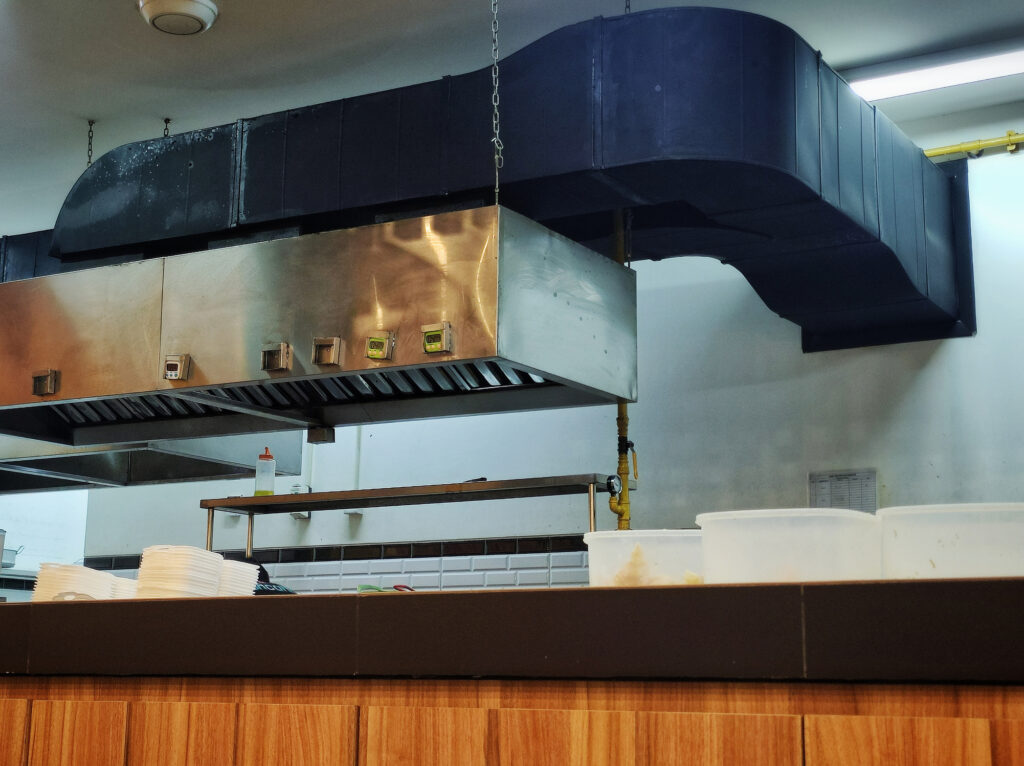
Commercial kitchens don’t operate on a nine-to-five schedule—and neither do exhaust system failures. When an exhaust fan, motor, or fire safety component fails after hours, the consequences can be immediate and severe. Beyond lost revenue, operating without a functioning exhaust system can create serious fire hazards and put a business out of compliance with fire and health codes.
Emergency service readiness isn’t a convenience. It’s a critical part of responsible kitchen operations.
Why After-Hours Failures Are So Disruptive
Exhaust systems work hardest during peak service. Heat, grease, and continuous operation place constant stress on motors, belts, bearings, and controls. When a component fails late at night or early in the morning, kitchens are often faced with an impossible choice: shut down or operate illegally and unsafely.
Neither option is acceptable. A non-functioning exhaust system allows grease-laden vapors to accumulate, increases fire risk, and creates unsafe working conditions for staff. From a compliance standpoint, continuing operations without ventilation can result in citations, fines, or forced closure.
The Legal and Safety Risks of Operating Without Ventilation
Kitchen exhaust systems are a core fire safety requirement—not an optional comfort feature. Fire codes and mechanical codes require active ventilation to remove heat, smoke, and grease vapors generated during cooking.
Without proper exhaust:
- Grease buildup accelerates inside ducts and fans
- Exhaust temperatures rise rapidly
- Fire suppression systems may be compromised
- Flash fire risk increases dramatically
If a fire occurs while the system is down, liability exposure can be significant. Emergency readiness helps prevent situations that put lives, property, and businesses at risk.
Emergency Service Is About Speed and Expertise
Not all plumbing or HVAC providers are equipped to handle commercial kitchen exhaust emergencies. These systems are specialized, and repairs must be completed correctly and quickly to restore safe operation.
Emergency service readiness means having trained technicians available to diagnose and repair issues such as:
- Exhaust fan motor failures
- Belt, pulley, or bearing breakdowns
- Swamp cooler malfunctions
- Automatic fire suppression or gas shutoff issues
Fast response minimizes downtime and helps businesses reopen safely without unnecessary delays.
Downtime Costs More Than You Think
Every hour a kitchen is forced to close—or operate at reduced capacity—costs money. Lost sales, wasted inventory, staff disruption, and reputational damage all add up. Emergency repairs may feel expensive in the moment, but they are often far less costly than prolonged shutdowns or code violations.
Businesses that plan for emergencies recover faster and maintain continuity even when unexpected failures occur.
Preventive Maintenance Reduces Emergency Calls—but Doesn’t Eliminate Them
Regular cleaning and inspections significantly reduce the likelihood of after-hours emergencies, but no system is immune to failure. Components wear out, electrical issues arise, and unexpected breakdowns happen—often at the worst possible time.
The difference is preparation. Kitchens that partner with a provider offering 24/7 emergency service know help is available when it matters most.
Why Emergency Readiness Should Be Part of Your Strategy
Emergency service isn’t just a reaction—it’s part of a broader fire prevention and risk management strategy. Knowing who to call, how quickly they can respond, and whether they understand commercial exhaust systems provides peace of mind for owners and managers.
At Flue Steam, emergency service readiness is built into the commitment to protecting commercial kitchens. With trained technicians available around the clock, businesses aren’t left scrambling when critical systems fail.
If your kitchen relies on uninterrupted exhaust system performance, contact Flue Steam at 800-700-FLUE to learn how emergency service and proactive maintenance work together to keep your operation safe, compliant, and running when it counts.






Copyright © 2026 Flue Steam Inc. All Rights Reserved. | Service Locations
Website by 
