



What Health Inspectors Look for in Commercial Kitchen Exhaust Systems
January 7, 2026
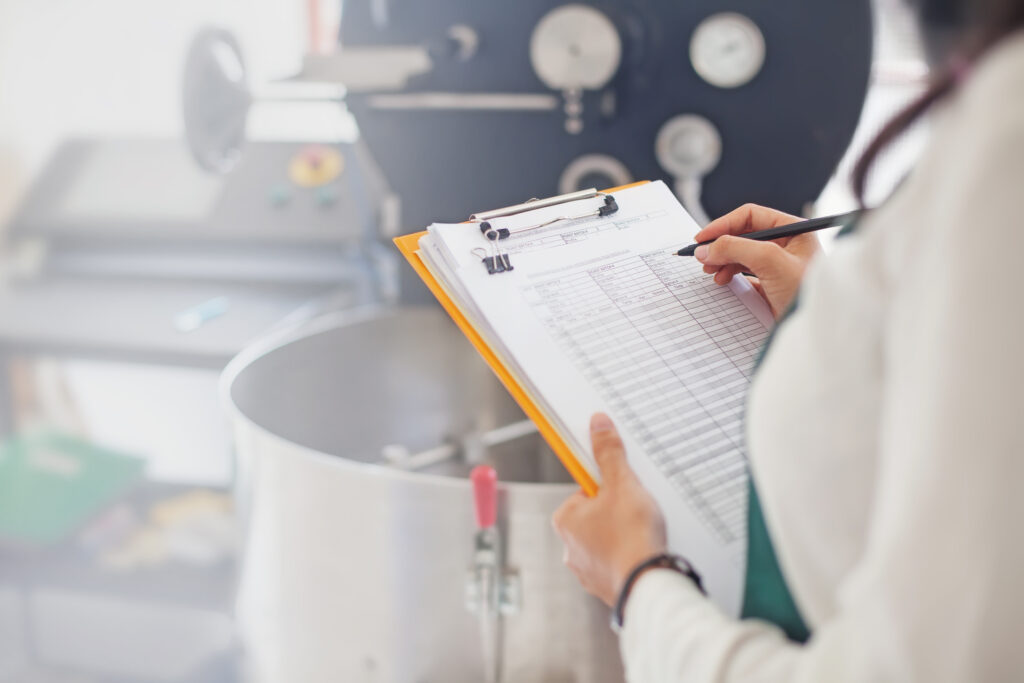
When health inspectors walk into a commercial kitchen, they’re not just checking food storage and prep surfaces. One of the most closely examined—and commonly failed—areas is the kitchen exhaust system. Hoods, ducts, fans, and filters all play a critical role in fire prevention, air quality, and regulatory compliance. Understanding what inspectors look for can help kitchen operators avoid citations, delays, and shutdowns.
Why Exhaust Systems Are a Major Inspection Focus
Commercial kitchen exhaust systems remove grease-laden vapors, smoke, and heat from cooking areas. When these systems are not properly maintained, grease accumulates inside ducts and on components, creating a serious fire hazard.
Because of this risk, inspectors treat exhaust systems as safety infrastructure—not optional equipment.
Visible Grease Buildup Is an Immediate Red Flag
One of the first things inspectors look for is visible grease. This includes:
- Grease residue on hood surfaces
- Dripping or sticky filters
- Grease stains around duct access points
- Build-up on exhaust fans
Visible grease often signals deeper contamination inside the system, which can result in violations or required follow-up inspections.
Filters Must Be Clean and Properly Installed
Grease filters are designed to capture grease before it enters the ductwork. Inspectors check whether filters are:
- Present and correctly seated
- Free of excessive buildup
- Maintained on a regular schedule
Missing, damaged, or heavily clogged filters indicate poor maintenance and increase fire risk.
Full-System Cleaning Records Matter
Inspectors frequently request documentation showing that the exhaust system has been professionally cleaned according to code. This includes cleaning of:
- Hoods
- Ducts
- Exhaust fans
Incomplete records—or records showing infrequent service—can lead to citations even if surfaces appear clean.
Exhaust Fans Must Function Properly
Inspectors also verify that exhaust fans are operational and moving air effectively. Poor airflow can allow grease vapors to linger, increasing buildup and reducing indoor air quality.
Non-functioning or poorly maintained fans may result in compliance issues or require immediate correction.
Fire Suppression Integration Is Evaluated
Exhaust systems must work in conjunction with fire suppression equipment. Inspectors may check whether suppression nozzles are unobstructed and whether grease buildup could interfere with system activation.
A dirty exhaust system can compromise fire suppression effectiveness during an emergency.
Why DIY Cleaning Isn’t Enough
Surface wiping or partial cleaning does not meet inspection standards. Inspectors are trained to recognize signs of incomplete cleaning, especially in hard-to-reach areas like duct interiors and fan housings.
Professional exhaust system cleaning ensures all components meet code requirements—not just what’s visible from the kitchen floor.
How Flue Steam Helps Kitchens Stay Inspection-Ready
At Flue Steam, complete kitchen exhaust system cleaning is performed with compliance in mind. Services are designed to address the full system—hoods, ducts, fans, and filters—so kitchens are prepared before inspectors arrive.
Accurate service documentation is also provided to support inspection requirements.
Preparation Prevents Problems
Health inspections don’t have to be stressful. Understanding what inspectors look for—and maintaining your exhaust system accordingly—helps prevent violations, protects staff and customers, and keeps your kitchen operating without interruption.
If you want to ensure your commercial kitchen exhaust system is inspection-ready, call 800-700-FLUE to schedule professional service and compliance support.





Copyright © 2026 Flue Steam Inc. All Rights Reserved. | Service Locations
Website by 