Blog

Why Consistent Grease Filter Exchange is Critical for Your Commercial Kitchen

February 20, 2025

Running a safe and efficient commercial kitchen requires attention to more than just cooking techniques and food quality. Behind the scenes, essential systems like ventilation and grease management play a major role in keeping your kitchen running smoothly — and safely. One often-overlooked but critical maintenance task is regular grease filter exchange.

If grease filters aren’t changed on schedule, the consequences can range from reduced airflow to serious fire hazards. Here’s why staying on top of grease filter exchange matters and how it benefits your kitchen’s safety, performance, and compliance. Contact Flue Steam at 800-700-FLUE for a quote.

What Does a Grease Filter Do?

Grease filters are the first line of defense in your kitchen’s exhaust system. Installed within your range hood, these filters capture airborne grease particles produced during cooking, preventing them from entering the ductwork and building up inside.

Without effective grease filters, grease-laden vapors would coat the interior of your exhaust ducts, increasing the risk of fire and reducing ventilation efficiency.

The Dangers of Dirty or Clogged Grease Filters

Skipping regular filter exchanges doesn’t just affect kitchen cleanliness — it can lead to serious safety and performance issues.

Increased Fire Risk

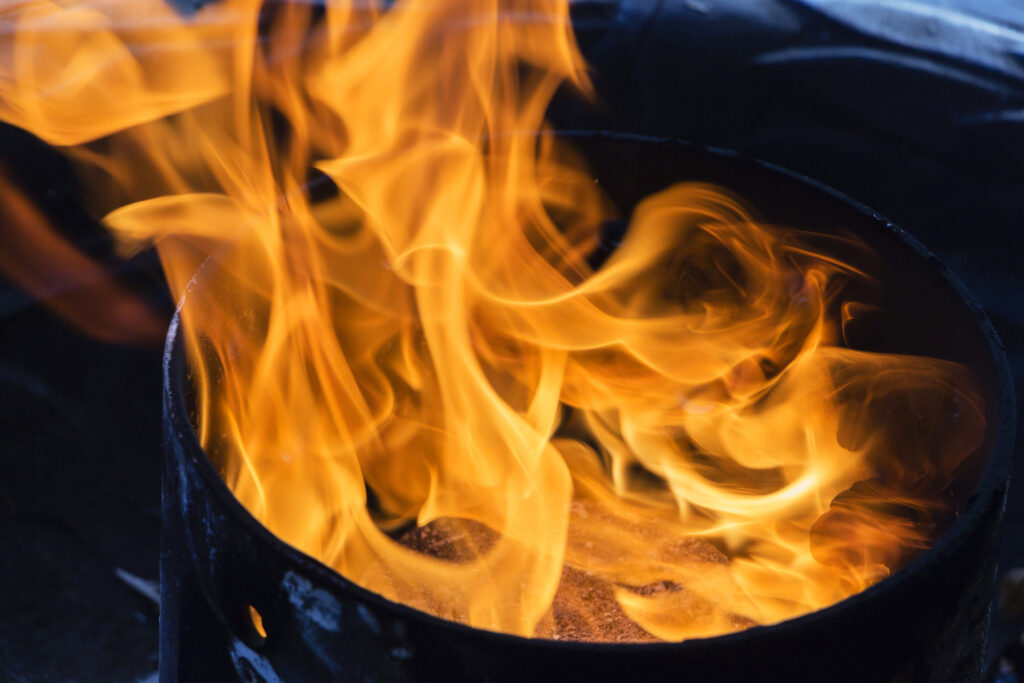
Grease is highly flammable, and dirty filters soaked with grease become a dangerous ignition source. If a flare-up or spark reaches these filters, a fire could spread quickly into the exhaust system, putting your entire kitchen at risk.

Reduced Airflow Efficiency

Clogged filters restrict airflow, which forces your exhaust system to work harder. This can lead to:

  • Poor ventilation and excessive heat buildup in the kitchen
  • Lingering smoke and cooking odors
  • Higher energy bills due to reduced system efficiency

Compliance Violations

Health and fire codes require commercial kitchens to maintain clean, properly functioning exhaust systems — and that includes regular filter cleaning or replacement. Ignoring filter exchanges could result in failed inspections, fines, or even temporary shutdowns.

Signs It’s Time to Replace Your Grease Filters

While professional grease filter exchange services follow a set schedule, there are some clear warning signs that filters may need attention sooner:

  • Visible grease buildup on filter surfaces
  • Grease dripping from the hood
  • Strong odors even after cooking stops
  • Reduced suction from your exhaust system
  • Hotter-than-normal kitchen temperatures

If you notice any of these signs, it’s time to schedule a filter exchange right away.

Benefits of Regular Grease Filter Exchange

Staying on top of grease filter maintenance offers multiple benefits for your kitchen, staff, and bottom line.

Fire Prevention and Safety

Clean filters drastically reduce fire risk by limiting grease buildup. This protects your kitchen, staff, and property from potentially devastating fires.

Improved Air Quality and Comfort

Clean filters allow your exhaust system to perform at its best, removing smoke, odors, and heat efficiently. This creates a safer, more comfortable environment for both kitchen staff and guests.

Lower Equipment Costs

When exhaust systems have to work harder to pull air through clogged filters, it puts unnecessary strain on fans and motors. Regular filter exchanges help your ventilation equipment last longer, saving on costly repairs or replacements.

Easier Compliance with Health and Fire Codes

Routine filter exchanges demonstrate your commitment to safety and cleanliness, helping you pass inspections with ease and avoid costly penalties.

Professional Grease Filter Exchange vs. DIY

Some kitchen operators consider washing and reusing grease filters themselves, but this approach often falls short. Professional grease filter exchange offers advantages that DIY cleaning can’t match:

  • Scheduled service you can rely on
  • Access to properly sized, high-quality replacement filters
  • Thorough cleaning with specialized equipment
  • Documentation for inspections and compliance

Protect Your Kitchen with Regular Grease Filter Exchange

Don’t let neglected grease filters put your kitchen at risk. Contact Flue Steam at 800-700-FLUE to set up a reliable grease filter exchange program that keeps your ventilation system clean, safe, and fully compliant. When safety and efficiency matter, professional service is the best solution.

The Importance of Routine Inspections for Automatic Fire Suppression Systems

February 10, 2025

Automatic fire suppression systems are essential safety features in every commercial kitchen, providing fast-acting protection against dangerous grease fires. However, installing a system isn’t enough — regular inspections are necessary to ensure these critical systems work when you need them most.

Skipping inspections not only puts kitchens at higher risk for fires but can also lead to costly fines and even temporary shutdowns for failing to meet fire code regulations. Let’s take a closer look at why regular fire suppression inspections are so important and what they include. Contact Flue Steam at 800-700-FLUE to learn more.

How Automatic Fire Suppression Systems Work

Before understanding why inspections matter, it’s important to know how these systems function. Fire suppression systems are installed directly into kitchen hoods, above cooking appliances. If a fire ignites, the system:

  • Automatically detects high heat or flames
  • Activates nozzles that discharge fire suppressant chemicals onto the flames
  • Simultaneously shuts off fuel sources (like gas or electricity) to nearby equipment to prevent further ignition
  • Alerts the kitchen staff with an alarm

This fast, automatic response can mean the difference between a minor flare-up and a devastating fire.

Why Regular Fire Suppression System Inspections Matter

Even the most advanced fire suppression system can fail if it isn’t properly maintained. Regular inspections ensure all components work as intended, so your kitchen is protected in an emergency.

Compliance with Fire Codes

Most jurisdictions require commercial kitchens to have their fire suppression systems inspected at regular intervals — typically every six months — to comply with national fire codes. Skipping inspections can lead to fines, failed health and safety inspections, or even the forced closure of your business.

Early Detection of Problems

Inspections allow professionals to spot small issues before they become major failures. Corrosion, clogged nozzles, damaged pipes, or low chemical agent levels are all problems that can quietly develop over time. Catching these issues early ensures your system will respond correctly when needed.

Keeping Insurance Coverage Valid

Many commercial insurance policies require proof of regular fire suppression system inspections. If a fire occurs and you haven’t kept up with required maintenance, your insurance provider may deny coverage for damages.

Protecting Lives and Property

A malfunctioning fire suppression system puts employees, customers, and property at serious risk. Kitchens operate with open flames, high heat, and grease — conditions where fires spread quickly. Inspections ensure the system can effectively extinguish fires and limit damage if a fire breaks out.

What Happens During a Fire Suppression System Inspection

A professional inspection is a thorough, multi-step process designed to assess the system’s readiness. During a routine inspection, the technician will:

  • Inspect the nozzles and piping for blockages, corrosion, or physical damage
  • Check the control panel and automatic detection system for functionality
  • Verify that the fire suppression agent is at proper levels and hasn’t expired
  • Test the system’s automatic shutoff for cooking equipment fuel sources
  • Ensure system signage and instructions are clear and up to date for kitchen staff
  • Review the manual activation mechanism to ensure it’s accessible and working

At the end of the inspection, you’ll receive documentation confirming the system passed or outlining any necessary repairs or adjustments to bring it into compliance.

Signs You May Need an Inspection Before It’s Due

While scheduled inspections should always be followed, there are times when you should call for an additional inspection, such as:

  • After changing kitchen equipment or layout, which may impact system coverage
  • Following any incident where the system was triggered
  • If the system hasn’t been used for a long period and may need recalibration
  • If you notice corrosion, leaks, or damaged nozzles in the hood system

Stay Safe and Compliant with Regular Inspections

Fire suppression systems are not set-it-and-forget-it safety features. Regular inspections protect your staff, your business, and your bottom line by ensuring your system is ready to respond when it matters most.

If your commercial kitchen is due for a fire suppression system inspection, contact Flue Steam at 800-700-FLUE to schedule service today. Stay compliant, stay safe, and keep your kitchen protected with expert fire suppression maintenance.

Why NFPA 96 Compliance Matters for Your Kitchen Exhaust System

January 23, 2025

Commercial kitchens generate large amounts of grease and heat, creating a high fire risk if exhaust systems are not properly maintained. The National Fire Protection Association (NFPA) 96 sets the industry standard for ventilation control and fire prevention in commercial kitchens.

This standard provides detailed guidelines on the proper installation, inspection, and cleaning of kitchen exhaust systems to minimize fire hazards. Compliance is not optional—local fire codes, insurance providers, and health departments enforce these standards to protect businesses, employees, and customers from devastating kitchen fires.

Fire Hazards Linked to Non-Compliance

Neglecting NFPA 96 regulations can lead to dangerous grease buildup in hoods, ducts, and exhaust fans. Grease is highly flammable, and when exposed to high temperatures, it can ignite and spread rapidly through the ventilation system. Fires originating in kitchen exhaust systems are difficult to control and can result in extensive property damage, costly repairs, and potential business closures. Regular cleaning and maintenance reduce the risk of grease fires, ensuring a safer environment for employees and patrons.

Avoiding Costly Fines and Legal Consequences

Fire marshals, health inspectors, and insurance companies require compliance with NFPA 96. Businesses that fail to meet these standards risk heavy fines, failed inspections, or even forced shutdowns. If a fire occurs due to poor maintenance, insurance claims may be denied, leaving business owners responsible for the full cost of damages. Regular compliance with NFPA 96 not only protects your establishment from legal issues but also demonstrates a commitment to safety and professionalism.

How Compliance Improves Ventilation and Energy Efficiency

Beyond fire prevention, NFPA 96 compliance ensures proper ventilation, which is crucial for maintaining air quality and kitchen efficiency. When exhaust systems are clogged with grease and debris, airflow becomes restricted, leading to excessive heat, poor air circulation, and lingering odors. This forces HVAC systems to work harder, increasing energy costs and making the kitchen environment uncomfortable for staff. Keeping kitchen exhaust systems clean and up to code allows for proper airflow, reducing energy consumption and maintaining a comfortable work environment.

Extending the Lifespan of Kitchen Equipment

A well-maintained exhaust system protects expensive kitchen equipment from unnecessary wear and tear. When grease accumulates, it can cause corrosion, motor failure, and other mechanical issues in exhaust fans and ductwork. This leads to costly repairs and unexpected downtime, disrupting kitchen operations. Routine inspections and cleanings ensure that equipment runs efficiently and lasts longer, ultimately saving money on maintenance and replacements.

The Importance of Professional Exhaust Cleaning Services

Meeting NFPA 96 standards requires more than just surface cleaning. Professional exhaust cleaning services provide thorough, deep cleaning of hoods, ducts, and exhaust fans using industry-approved techniques. Certified technicians remove grease buildup in hard-to-reach areas, ensuring full compliance with safety regulations. Additionally, professionals provide documentation of cleaning services, which is crucial for passing inspections and maintaining records for insurance purposes.

Stay Compliant and Protect Your Business

NFPA 96 compliance is not just about following regulations—it’s about ensuring the safety, efficiency, and longevity of your commercial kitchen. Regular maintenance reduces fire risks, improves air quality, and prevents costly legal and financial consequences. Partnering with a professional exhaust cleaning service ensures that your kitchen remains compliant and operates at peak performance. Contact Flue Steam at 800-700-FLUE to schedule your next cleaning and keep your kitchen safe and up to code.

Grease Buildup in Kitchen Hoods: A Costly Mistake You Can Avoid

January 10, 2025

In any commercial kitchen, grease buildup is an unavoidable byproduct of cooking. Over time, grease particles accumulate inside the exhaust hood, ductwork, and fans, creating a significant fire hazard. If left unchecked, this buildup can ignite and spread rapidly, putting employees, customers, and the entire establishment at risk. Fire hazards aren’t the only concern—excessive grease can also reduce ventilation efficiency, increase energy costs, and lead to expensive equipment repairs.

Regular exhaust system maintenance is essential for keeping your kitchen safe and compliant with industry regulations. Contact Flue Steam at 800-700-FLUE if you are ready to learn more about keeping your kitchen exhaust system clean and safe.

Compliance and Fire Safety Standards for Commercial Kitchens

Commercial kitchens are required to follow fire safety regulations set by the National Fire Protection Association (NFPA), specifically NFPA 96, which mandates regular cleaning of kitchen exhaust systems. Failure to comply can result in hefty fines, failed inspections, and even forced closures. Fire marshals, health inspectors, and insurance providers all expect businesses to meet these safety standards. If a fire occurs due to neglected maintenance, insurance companies may deny claims, leaving business owners to cover costly damages out of pocket. By keeping up with scheduled hood cleanings, restaurants and food service establishments can avoid legal and financial consequences while maintaining a safe working environment.

How Grease Affects Ventilation and Kitchen Efficiency

Grease buildup doesn’t just increase fire risks—it also affects the efficiency of your kitchen’s ventilation system. When grease clogs exhaust ducts and fans, airflow is restricted, leading to poor air circulation, excess heat, and lingering odors. This forces HVAC systems to work harder, increasing energy costs and straining kitchen equipment. Poor ventilation also affects employees’ comfort, making the kitchen environment hotter and more difficult to work in. Regularly scheduled hood and duct cleanings ensure that air flows properly, maintaining a cooler, cleaner, and more productive kitchen space.

Preventing Expensive Repairs and Equipment Damage

The cost of ignoring grease buildup goes beyond regulatory fines and fire hazards. Over time, grease deposits can cause mechanical issues in exhaust fans, motors, and ductwork. When grease is allowed to accumulate, it can lead to corrosion, motor burnout, and costly part replacements. A malfunctioning exhaust system forces the entire kitchen to operate inefficiently, often leading to unexpected downtime. Investing in routine maintenance prevents premature equipment failure, extending the lifespan of critical ventilation components and reducing long-term expenses.

How Professional Exhaust Cleaning Services Help

Attempting to clean a kitchen hood and exhaust system without proper training and equipment can be ineffective and even dangerous. Professional exhaust cleaning services use industry-approved techniques, such as steam cleaning and pressure washing, to remove grease buildup thoroughly. Certified technicians follow NFPA 96 guidelines, ensuring that every component—from hood filters to ductwork and exhaust fans—is properly cleaned and maintained. These services also provide documentation of compliance, which can be valuable during inspections and for insurance purposes.

Protect Your Kitchen with Regular Maintenance

Preventing grease buildup in kitchen hoods is essential for fire safety, ventilation efficiency, and cost savings. By scheduling routine cleanings with experienced professionals, commercial kitchens can stay compliant, reduce fire risks, and keep operations running smoothly. Regular maintenance is not just about avoiding costly mistakes—it’s an investment in the safety, efficiency, and longevity of your business. Contact Flue Steam at 800-700-FLUE to schedule professional exhaust cleaning and ensure your kitchen remains clean, safe, and compliant.

Preventing Grease Fires: Essential Steps for a Safer Commercial Kitchen

December 24, 2024

Grease fires are one of the most dangerous threats to a commercial kitchen, endangering employees, customers, and even the surrounding community. The good news is that these fires are preventable with the right precautions and regular maintenance. Here’s how partnering with Flue Steam can help your kitchen remain safe, compliant, and efficient.

Prioritizing Safety in Your Commercial Kitchen

Creating a safe kitchen environment starts with a proactive approach to fire prevention.

Comprehensive Services to Reduce Risks

Flue Steam offers a range of services designed to minimize the risk of grease fires, including:

  • Cleaning of kitchen exhaust systems, including fans, hoods, and ducts.
  • Regular grease filter replacement.
  • Maintenance of swamp coolers and exhaust fans.
  • Fire suppression system service.
  • Sales and maintenance of portable fire extinguishers.

These services not only improve kitchen safety but also ensure compliance with fire codes and reduce the likelihood of costly penalties.

The Importance of Regular Kitchen Exhaust Cleaning

Keeping your kitchen exhaust system clean is one of the most effective ways to prevent grease fires.

Hand Scraping vs. Steam Cleaning

Flue Steam offers two methods for exhaust cleaning: hand scraping and steam cleaning.

  • Hand Scraping: Ideal for removing grease from easily accessible areas, such as hoods, ducts, and drip trays. Recommended monthly, this method is an affordable way to maintain safety.
  • Steam Cleaning: A more thorough approach that uses hot, high-pressure water to remove grease from hard-to-reach areas. Depending on grease usage, steam cleaning is advised two to four times a year.

By maintaining a clean exhaust system, you can prevent grease buildup that increases fire risks and ensures your kitchen remains compliant with safety codes.

Ensuring Complete Compliance with Fire Codes

Fire code compliance is not just a regulatory requirement—it’s a crucial part of running a safe kitchen.

Certificates of Performance

After every service, Flue Steam provides a “Certificate of Performance” sticker, demonstrating compliance with National Fire Protection Association (NFPA) codes. These stickers not only keep inspectors satisfied but can also lead to reduced insurance premiums, saving you money over time.

Prolonging Exhaust System Efficiency

Routine maintenance of your kitchen exhaust system goes hand in hand with fire prevention.

Exhaust Fan Inspections and Maintenance

Every time Flue Steam visits for a cleaning, we inspect your exhaust fan to ensure it’s functioning properly. This includes checking belts, lubricating fan bearings, and replacing worn belts at no additional cost if a spare belt is available. Regular maintenance helps your system run efficiently and keeps grease from accumulating too quickly, reducing fire risks.

Ready to Protect Your Kitchen?

Don’t wait until a grease fire threatens your kitchen’s safety and compliance. Partnering with Flue Steam ensures your kitchen exhaust system remains clean, safe, and up to code.

Call Flue Steam today to schedule your first service and take the first step toward a safer, more efficient commercial kitchen. Let us help you keep your business and everyone in it protected from the dangers of grease fires.